If you’re running through Edmonton’s River Valley, cycling along the trails, training at the gym, or fitting workouts around a full workweek, you know recovery can be harder than the workout itself.
Muscle soreness lingers. Tight hips change your stride. A stiff shoulder affects your lifting technique. Then the next training session arrives before your body feels ready.
That’s where sports massage can help. At Massage Quest, sports massage is designed around your activity, your current symptoms, and the way you use your body: not around a one-size-fits-all routine.
What sports massage actually does
If you’re searching for massage therapy Edmonton athletes can use alongside regular training, it helps to understand what sports massage is: and what it is not.
Sports massage is a focused treatment for active people. You do not need to be a professional athlete to benefit. Whether you run recreationally, play weekend hockey, attend fitness classes, cycle around Edmonton, or simply stay active with demanding work and family responsibilities, your muscles respond to repeated physical load.
Your registered massage therapist may work with a combination of:
- Targeted pressure
- Broad warming strokes
- Compression
- Kneading
- Assisted stretching
- Gentle joint movement
- Muscle-specific techniques
The goal is to address areas that feel restricted, overworked, or difficult to recover from. Your session may focus on your calves after running, your hips after cycling, your shoulders after strength training, or your lower back after repeated lifting.
It should feel purposeful. It should also remain within a pressure level you can tolerate comfortably.
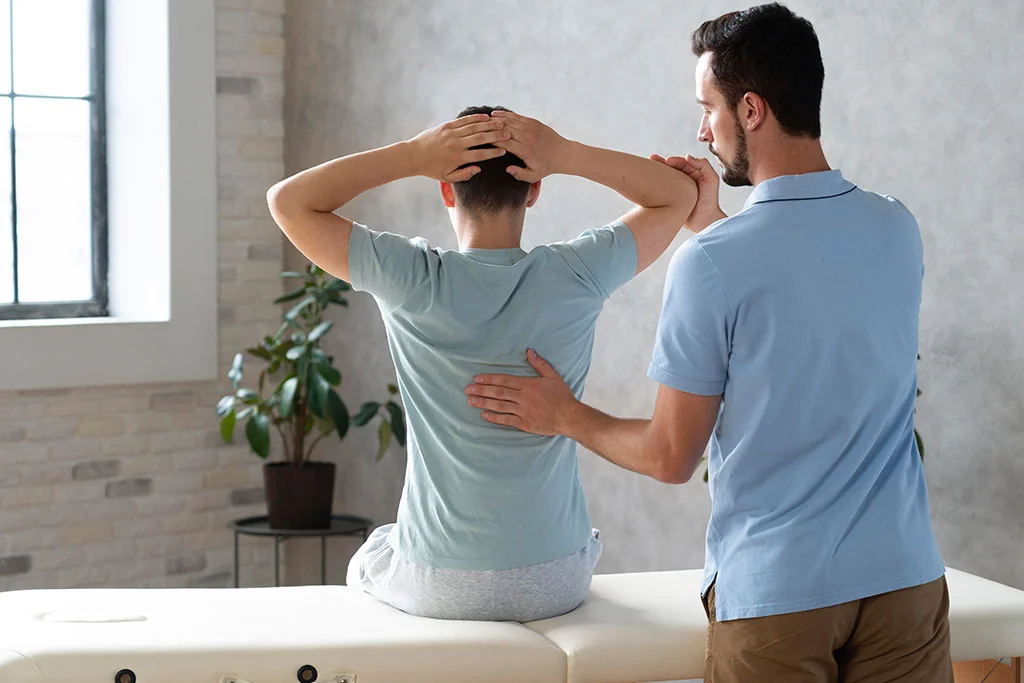
How sports massage supports athletic recovery
If you’re dealing with post-workout soreness, you may notice that the first benefit is simply moving more comfortably.
Delayed-onset muscle soreness, often called DOMS, commonly appears after unfamiliar or intense exercise. It can make stairs uncomfortable, reduce your range of motion, and make your next workout feel harder than expected.
Sports massage may help reduce the intensity of that soreness and improve how recovered you feel. A systematic review published in the BMJ Open Sport & Exercise Medicine found small improvements in delayed-onset muscle soreness and flexibility following massage. The review did not find convincing evidence that massage directly improves strength, sprint speed, jumping ability, or endurance.
That distinction matters.
Massage is not a replacement for sleep, nutrition, progressive training, or appropriate rest. It is a recovery tool that may help you feel less restricted and more prepared to return to normal movement.
1. Less noticeable muscle soreness
When you’re sore after a long run in the River Valley or a demanding strength session, targeted massage may make the discomfort more manageable.
You may still feel some soreness. The realistic benefit is that it may feel less intense, allowing you to move through daily activities with greater ease while your body continues its normal recovery process.
2. Improved flexibility and range of motion
If you’re noticing tight calves, hamstrings, hip flexors, or shoulders, restricted soft tissue can affect how you move.
A sports massage may temporarily improve flexibility and range of motion by reducing the sensation of stiffness and helping you move a joint through a more comfortable range. That can be useful before returning to regular training, especially when tightness is changing your technique.
Your therapist may also suggest simple mobility work to continue between appointments.
3. Better awareness of developing problem areas
When you train consistently, you can become accustomed to low-level tightness. You may dismiss a sore Achilles tendon, a pulling sensation in your hamstring, or recurring shoulder tension until it begins to affect performance.
A conversation with an experienced massage therapist in Edmonton can help you pay closer attention to these patterns. Massage does not diagnose injuries, but a skilled therapist can notice changes in tissue sensitivity and movement during the session and recommend that you seek appropriate medical or physiotherapy assessment when needed.
That early awareness can help you make better decisions about training load and recovery.
Can sports massage prevent injuries?
If you’re hoping for a simple way to prevent every training injury, no treatment can make that promise responsibly.
Sports massage may support injury risk reduction indirectly by helping you manage muscle tightness, maintain comfortable movement, and notice areas that repeatedly become overloaded. However, direct evidence showing that massage alone prevents injuries is limited.
Your strongest injury-prevention habits remain:
- Increasing training volume gradually
- Strengthening muscles that support your sport
- Warming up appropriately
- Taking rest days
- Wearing suitable footwear or equipment
- Eating and hydrating consistently
- Addressing pain before it becomes severe
- Working with a healthcare professional after an acute injury
If you have sudden swelling, bruising, significant weakness, numbness, sharp pain, or difficulty bearing weight, seek medical assessment before booking massage. Massage is supportive care, not a substitute for diagnosis or rehabilitation.
Sports massage versus deep tissue massage
If you’re comparing massage places Edmonton athletes commonly consider, you may be wondering whether sports massage or deep tissue massage fits your needs.
Sports massage is generally more activity-specific. Your therapist focuses on the areas and movement patterns connected to your sport or training routine.
Deep tissue massage may be more suitable when you want broader work on persistent muscular tension. It often uses slower, firmer pressure and can address deeper layers of muscle and connective tissue. You can learn more about the approach through Massage Quest’s deep tissue massage therapy in Edmonton service page.
If you’re unsure which treatment to choose, explain what you do, where you feel tension, and what you want to be able to do afterward. Your RMT can help shape the session around that information.
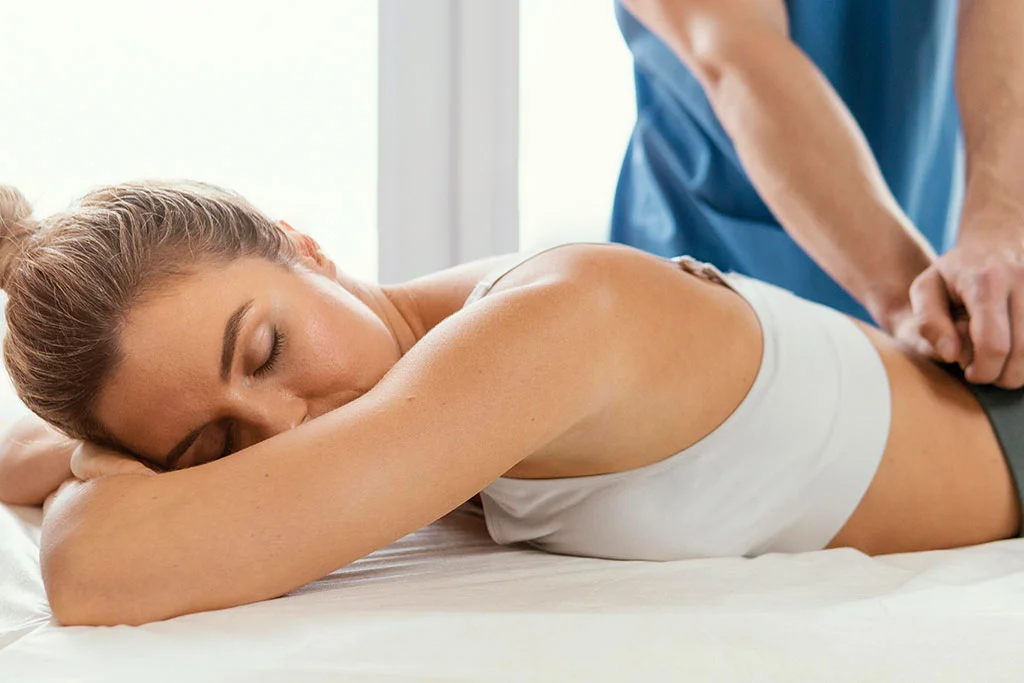
When should you book a sports massage?
If you’re booking for recovery, many people prefer a session within 24 to 48 hours after a demanding workout or event, when soreness begins to develop.
If you’re preparing for an event, avoid trying an unfamiliar or intense treatment immediately before a race, tournament, or heavy training day. A lighter, familiar session may be more appropriate before activity, while deeper work is often better scheduled when you have time to recover afterward.
Whether you train several times a week or exercise when your schedule allows, useful appointment timing may include:
- During a heavier training block
- After a long-distance run or cycling session
- Between competitions
- When a recurring area begins to feel tight
- Before returning to activity after a break
- During a gradual recovery plan recommended by your healthcare provider
Your therapist will also want to know about recent injuries, surgeries, medications, health conditions, and changes in training volume.
What your Massage Quest appointment may look like
When you arrive at Massage Quest, you’ll have an opportunity to discuss your activity, current concerns, and goals for the session.
You might say:
- “My calves tighten after five kilometres.”
- “My shoulder feels restricted after overhead lifting.”
- “My hips feel stiff after cycling.”
- “I’m recovering from a hard weekend of training.”
- “I want to maintain comfortable movement between races.”
Your registered massage therapist can then choose appropriate techniques and adjust pressure as your body responds. You remain covered and in control throughout the appointment, and you can speak up if the pressure feels too strong or if an area becomes uncomfortable.
The environment is calm and professional, with soothing music and a warm, comfortable setting that allows you to focus on recovery.

Why Edmonton athletes choose professional care
If you live near Edgemont, Riverbend, Windermere, or another Edmonton neighbourhood, consistent care is easier when booking is straightforward.
Massage Quest offers same-day appointments when availability allows, online booking, and direct insurance billing for eligible plans. If your benefits cover registered massage therapy, direct billing may reduce the paperwork you need to manage after your appointment.
Your RMT’s expertise matters just as much as convenience. A professional session should reflect your movement habits, not simply apply firm pressure everywhere. The right treatment leaves you feeling supported and more aware of how your body is responding to training.
The practical takeaway
If you’re an Edmonton runner, cyclist, gym-goer, recreational athlete, or weekend warrior, sports massage can be a useful addition to your recovery routine.
It may help reduce post-exercise soreness, ease the feeling of tightness, and support comfortable range of motion. It may also help you identify patterns before they interfere with your training. It will not replace strength work, rest, sleep, or medical care: and the evidence does not support promising dramatic performance gains.
That balanced approach is the most useful one.
When you’re ready to discuss your recovery needs, explore sports massage therapy in Edmonton at Massage Quest. You can book online, ask about direct billing, and speak with a registered massage therapist about the activity that matters to you.