If you’re carrying a stubborn knot between your shoulder blades, waking up with a stiff lower back, or feeling tension that keeps returning after stretching, a lighter massage may not be enough. Deep tissue massage works with slower strokes and sustained pressure to address deeper layers of muscle and connective tissue.
That matters in Edmonton, where long winter commutes, desk-based work, active weekends, and physically demanding jobs can all leave your body feeling braced and restricted. When tension starts affecting how you sit, sleep, train, or move through the River Valley, targeted massage therapy can be a practical part of your recovery plan.
What deep tissue massage actually does
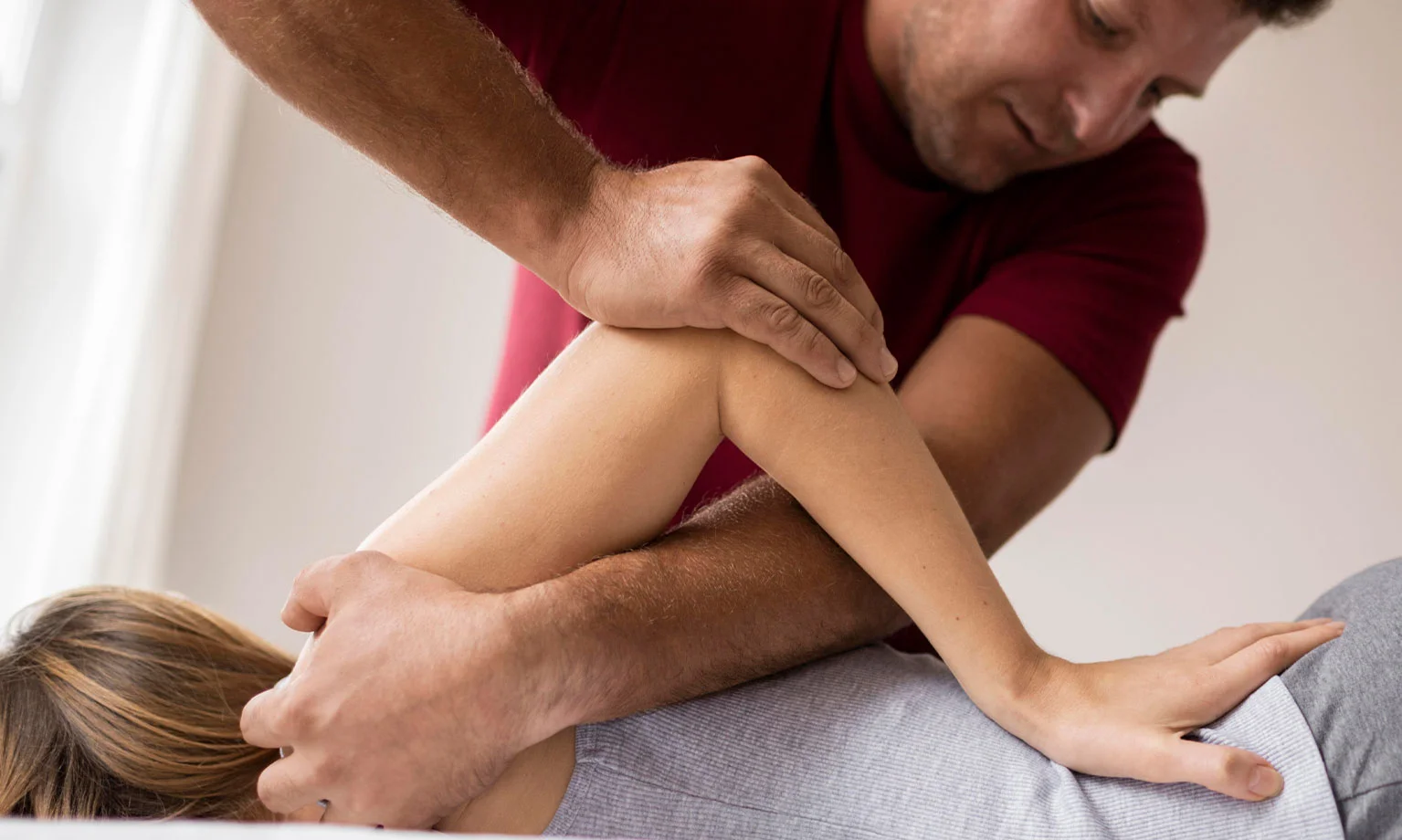
Deep tissue massage is not simply a Swedish massage with more force. Your registered massage therapist uses deliberate pressure, slow gliding strokes, compression, and focused work around areas of persistent tightness.
The goal is to help you:
- Reduce the feeling of deep muscle tension
- Improve comfortable range of motion
- Ease postural strain from sitting or repetitive work
- Support recovery after physical activity
- Relax muscles that stay contracted throughout the day
- Become more aware of how tension affects your movement
Your therapist may focus on your upper back, shoulders, hips, glutes, hamstrings, calves, or lower back. The session is personalized rather than routine. If your right shoulder is tighter than your left after months at a computer, that becomes part of the treatment conversation.
Here’s the thing: “deep” should not mean unbearable. Effective pressure is controlled, responsive, and adjusted to your body.

Why Edmonton residents seek deep tissue massage
If you work at a desk
When you spend hours at a workstation, your head may drift forward, your shoulders may round, and your hips may remain in one position for too long. Add a cold-weather commute with your shoulders raised against the wind, and tension can settle into your neck, upper back, forearms, and hips.
Deep tissue massage can help you address the muscular effects of those habits. It does not replace ergonomic changes or regular movement, but it can make it easier to move comfortably while you work on those larger adjustments.
You may benefit from discussing deep tissue massage with your massage therapist in Edmonton if you notice:
- Tightness that returns by the end of each workday
- Shoulder tension connected with prolonged computer use
- A stiff neck after driving across the city
- Restricted upper-back movement
- Lower-back tightness after sitting
A treatment can be especially useful when paired with short walking breaks, a better workstation setup, and simple mobility exercises.
If you’re active outdoors
Edmonton’s River Valley offers plenty of reasons to stay active. You may hike, cycle, run, cross-country ski, snowshoe, play recreational sports, or spend weekends working around your home and yard. Those activities are good for your health, but repetitive loading can leave particular muscle groups overworked.
Deep tissue massage may help you manage tension in areas such as your calves after running, your hip muscles after cycling, or your shoulders after paddling, lifting, or winter activities. For a sport-specific concern, sports massage therapy in Edmonton may be a better fit because the treatment can be organized around your activity and training demands.
You do not need to be a professional athlete. You only need a body that is being asked to do a lot.
If you’re recovering after a motor vehicle accident
MVA recovery can involve soreness, guarded movement, and muscle tension that develops after the initial event. You may notice discomfort in your neck, shoulders, back, or hips, even when your symptoms seem to shift from day to day.
Massage therapy may support comfort and relaxation as part of a broader recovery plan, but deep tissue massage is not automatically appropriate immediately after an accident. Acute injuries, inflammation, fractures, nerve symptoms, and other concerns need proper medical assessment first.
When you are cleared for massage, your RMT can begin with an appropriate pressure level and adapt the session to your current tolerance. If you experience numbness, weakness, sharp pain, worsening symptoms, or significant swelling, seek medical care rather than trying to work through it.
What you can expect during a deep tissue session
Your session should start with a conversation. You can explain what you are feeling, when it began, what makes it better or worse, and whether you have had an injury, surgery, medical diagnosis, or change in medication.
Your therapist may assess your posture and movement before you get on the table. This helps them understand whether the tension is isolated or connected to other areas.
During the massage, your therapist may:
- Begin with lighter contact to warm the tissues.
- Use slow, firm strokes over larger muscle groups.
- Apply sustained pressure to specific areas of restriction.
- Use compression or friction where appropriate.
- Ask for feedback as the pressure changes.
- Finish with gentler techniques to help you transition out of the session.
You remain draped, with only the area being treated exposed. You also choose your level of comfort and can ask for a change at any time.
Pressure may feel intense, but sharp, electric, burning, or alarming pain is not the objective. Clear communication helps your therapist provide useful treatment without pushing beyond what your body can manage.
What the evidence says: and what it does not
Massage is not a cure-all, and deep tissue massage should not be presented as a replacement for medical diagnosis or rehabilitation. The benefits are more practical: many people use it to manage muscle tension, improve relaxation, and support comfortable movement.
The Mayo Clinic Health System explains that massage therapy may help reduce stress, pain, and muscle tension. Your response will depend on the cause of your symptoms, how long they have been present, your general health, and the treatment approach used.
You may feel looser after a session, or you may notice gradual improvement over several appointments. Some soreness for a day or two can occur after firmer work, particularly if your muscles were highly guarded. Gentle movement, rest, and following your therapist’s aftercare recommendations can help.
More pressure is not automatically more effective.
Is deep tissue massage right for you?
Deep tissue massage may be a reasonable option if you’re dealing with persistent muscular tightness, work-related postural strain, athletic recovery needs, or tension that limits your everyday movement.
A different approach may be more suitable if you’re looking primarily for calming relaxation, have widespread sensitivity, or do not tolerate firm pressure well. In those cases, Swedish massage therapy may offer a gentler, flowing experience.
You should speak with your healthcare provider and your RMT before booking deep tissue massage if you have:
- A recent surgery or significant injury
- A known or suspected blood clot
- A bleeding disorder or use blood-thinning medication
- Osteoporosis or a high fracture risk
- An active infection, fever, open wound, or skin condition
- Unexplained numbness, weakness, or severe pain
- A condition that requires medical clearance for massage
If jaw clenching and upper-body tension are part of your problem, TMJ massage therapy may be more targeted than general deep tissue work.
Why an RMT-led approach matters
A qualified registered massage therapist does more than apply pressure. Your RMT considers your health history, movement patterns, comfort level, and treatment goals before deciding how deep to work.
At Massage Quest, your care is personalized rather than based on a one-size-fits-all routine. You can discuss whether deep tissue, sports, Swedish, or another massage therapy approach makes sense for your situation. The aim is to help you leave feeling supported: not battered.
Massage Quest is located at 116 Edgemont Road NW, Edmonton, close to the west-end community and convenient for residents looking for massage therapy Edmonton services after work, before a weekend on the trails, or during an active recovery period. Same-day appointments may be available, and direct insurance billing can make the process simpler when your plan includes registered massage therapy coverage. Confirm your benefits and remaining limits with your insurer.
Finding the right massage therapist in Edmonton
When you’re comparing massage places in Edmonton, look beyond promises of the “deepest” pressure. Ask whether the therapist is registered, whether treatment is adapted to your needs, and whether the clinic explains what to expect.
You should feel comfortable answering health-history questions, giving feedback, and changing the plan during the session. That is the foundation of useful massage therapy.
If stubborn tension is affecting your workdays, workouts, sleep, or time in the River Valley, book a consultation with a Massage Quest RMT. You can learn more about deep tissue massage in Edmonton or book an appointment online. Start with an honest conversation about what your body is feeling, and let your therapist help you choose the right level of care.