If you’re looking into lymphatic drainage massage because you’ve noticed swelling or a heavy, tight feeling, it’s natural to want a gentle option. But swelling can have many causes, so it’s important to understand what this massage involves, and when you should speak with a healthcare provider first.
What is manual lymphatic drainage?
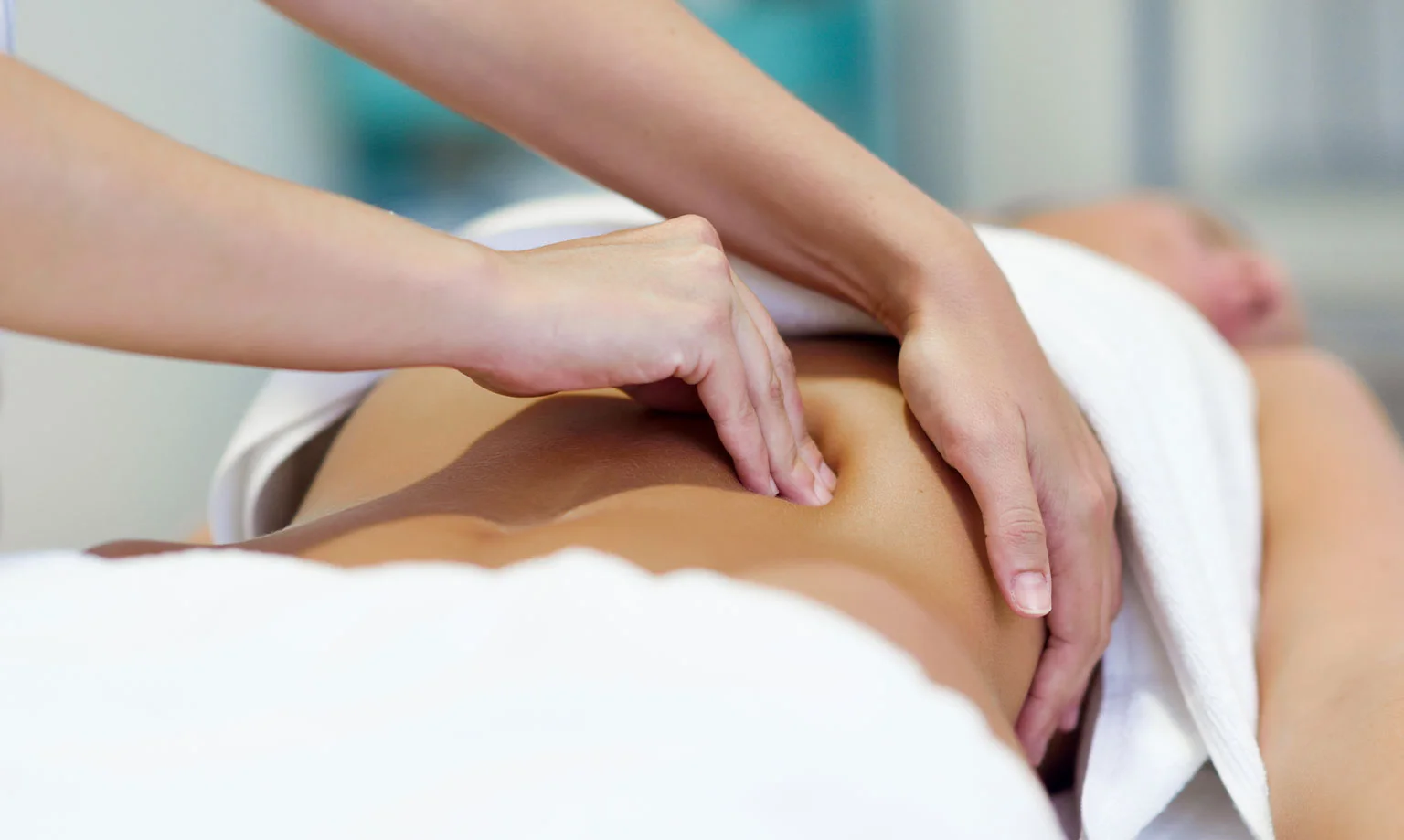
Manual lymphatic drainage (MLD) is a specialized technique using light, rhythmic movements on the skin. It’s intended to encourage the movement of lymph fluid through the body’s lymphatic system, a network of vessels and nodes that helps move fluid and plays a role in immune function.
The touch is gentle by design. MLD is not deep-tissue massage. A therapist uses slow, controlled skin-stretching motions rather than firm pressure into muscles. More pressure does not make the technique more effective and may be inappropriate for the reason you’re considering it.
What it may help with, and what it can’t do
A healthcare professional may recommend MLD as one part of care for lymphedema, a condition involving persistent swelling when lymph fluid does not drain as it should. This can happen, for example, after some cancer surgeries or treatments that affect lymph nodes. In those situations, MLD may be included in a broader plan that can involve compression, exercise and skin care.
The National Cancer Institute explains that manual lymphatic drainage is part of a broader approach to lymphedema management, often overseen by a certified lymphedema therapist. If you have a diagnosis or are receiving cancer care, ask your clinician what type of provider and treatment plan are appropriate for you. Read the NCI’s overview of lymphedema and its management.
Evidence does not support presenting MLD as a guaranteed solution. A 2020 systematic review included 17 randomized trials involving 1,911 people; its pooled analysis did not find a significant overall reduction in lymphedema compared with control groups. That’s why your care plan should be guided by your situation and a qualified healthcare professional, not by a promise of a particular result. You can review the systematic review on PubMed.
One point is especially clear: lymphatic drainage is not a detox or weight-loss treatment, and it cannot replace medical assessment or care. If a massage service promises to “flush toxins,” produce lasting weight loss or cure a condition, be cautious.
When to talk with a healthcare provider first
If you have new, unexplained, persistent or worsening swelling, get medical advice before booking. Swelling can have causes other than a lymphatic issue, and massage should not be used to work around an undiagnosed problem.
Check with your healthcare provider before MLD if you have a relevant health condition, a history of cancer treatment, a known lymphatic or circulatory condition, or a current infection. If swelling is sudden or accompanied by significant pain, redness, warmth or fever, seek prompt medical guidance rather than arranging a massage.
When you’ve already received a diagnosis, ask whether MLD is suitable for you and whether you need a therapist with specific lymphedema training. An RMT’s massage therapy qualification does not, by itself, establish specialized lymphedema credentials.
What to expect at an appointment
If you’ve been cleared to explore the service, your first visit should begin with a conversation. Your therapist needs to understand what you’re hoping for, where you’re experiencing concerns and what your healthcare provider has advised. Share relevant health conditions, recent procedures, medications and any changes in your symptoms.
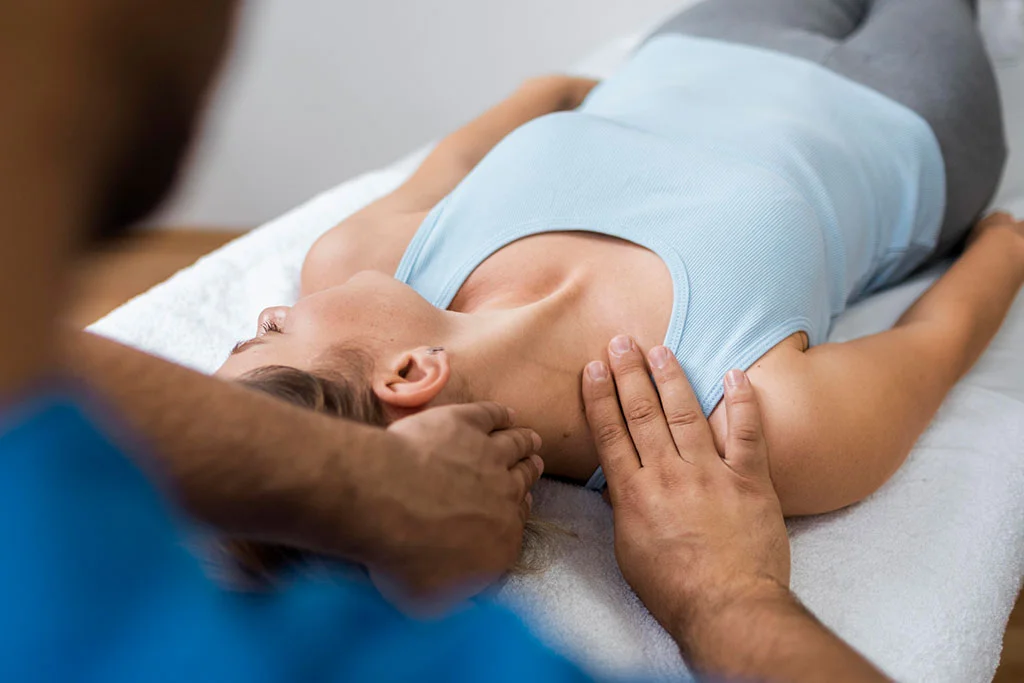
The hands-on work should feel light and rhythmic, not like a firm muscle massage. Your therapist can explain where they plan to work, what areas will remain covered and how you can ask for a pause or adjustment. You remain in control of your comfort throughout the session.
Your experience will depend on your needs and the service provided. Don’t expect a dramatic change in body size or a specific medical outcome. If you feel unwell, notice new symptoms or have concerns during or after an appointment, contact your healthcare provider.
Finding care in Edmonton
If you live or work near Edgemont, Glastonbury or west Edmonton, choosing a local clinic can make it easier to fit an appointment into your day. Massage Quest is located at 116 Edgemont Road NW, Edmonton. Our registered massage therapists provide personalized care in a cozy setting, with a calm atmosphere and soothing music.
For those exploring massage therapy in Edmonton, it’s useful to ask questions before you book: Is the service appropriate for your reason for seeking care? What experience does the therapist have with the technique? If you have diagnosed lymphedema, do you need a certified lymphedema therapist or a coordinated plan with your care team? Clear answers help you choose confidently.
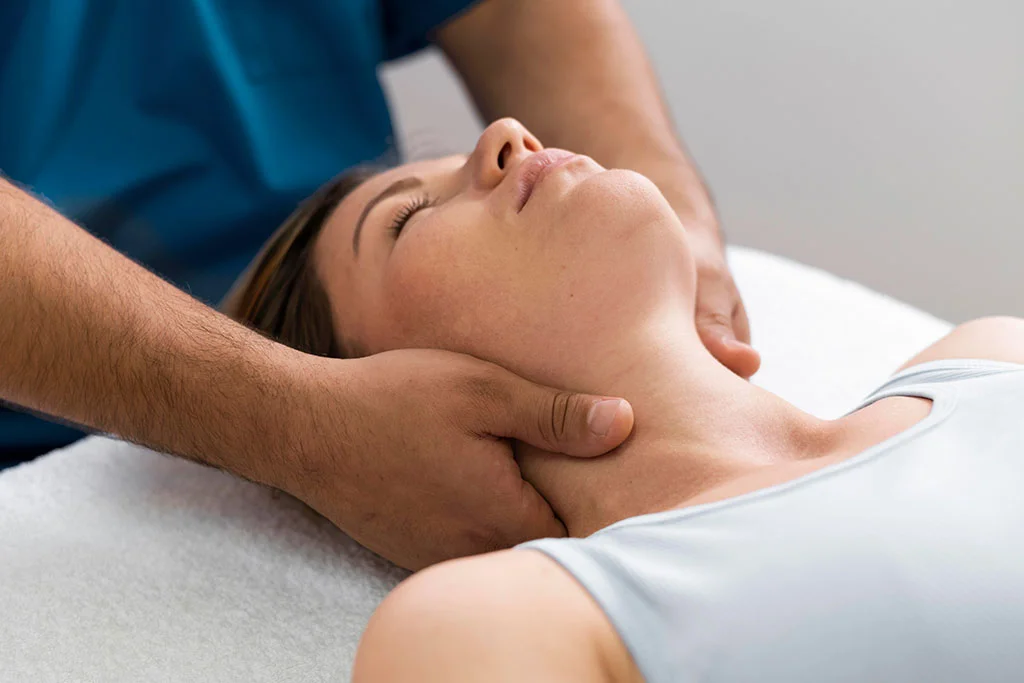
If you’re comparing techniques, learn more about lymphatic drainage at Massage Quest and how it differs from deep-tissue massage. Deep-tissue massage uses firmer pressure to work with muscle tension; MLD uses a distinctly lighter touch.
Your next step
If you’ve checked with your healthcare provider and want to discuss whether this service fits your needs, contact Massage Quest with your questions. Direct insurance billing is available, and same-day appointments may be available depending on the schedule. You can book online or ask our team about the service and what to expect before choosing an appointment.