If you’re choosing between Swedish and deep tissue massage, the simplest difference is pressure and focus. Swedish massage generally uses flowing, lighter-to-moderate strokes over broader areas to support relaxation and ease everyday tension. Deep tissue massage uses slower, firmer, more focused work on specific areas of tightness.
Neither is automatically better. The right choice depends on how you feel today, what you want from your session, and what pressure feels comfortable to you.
Swedish vs. deep tissue: a quick comparison
| Swedish massage | Deep tissue massage | |
|---|---|---|
| Pressure | Usually light to moderate; adjustable | Often firmer, but still adjustable |
| Technique | Long gliding strokes, kneading and other flowing movements | Slower, focused pressure on particular muscles and connective tissue |
| Common goal | Relaxation and general tension relief | Focused attention to persistent tightness or a specific area |
| A possible fit | Stress, everyday stiffness, or your first massage | A defined area of muscular tension or an active recovery plan |
The names describe different approaches, not a simple scale from “gentle” to “effective.” A skilled RMT can adjust the session to your comfort and goals.
What happens during Swedish massage?
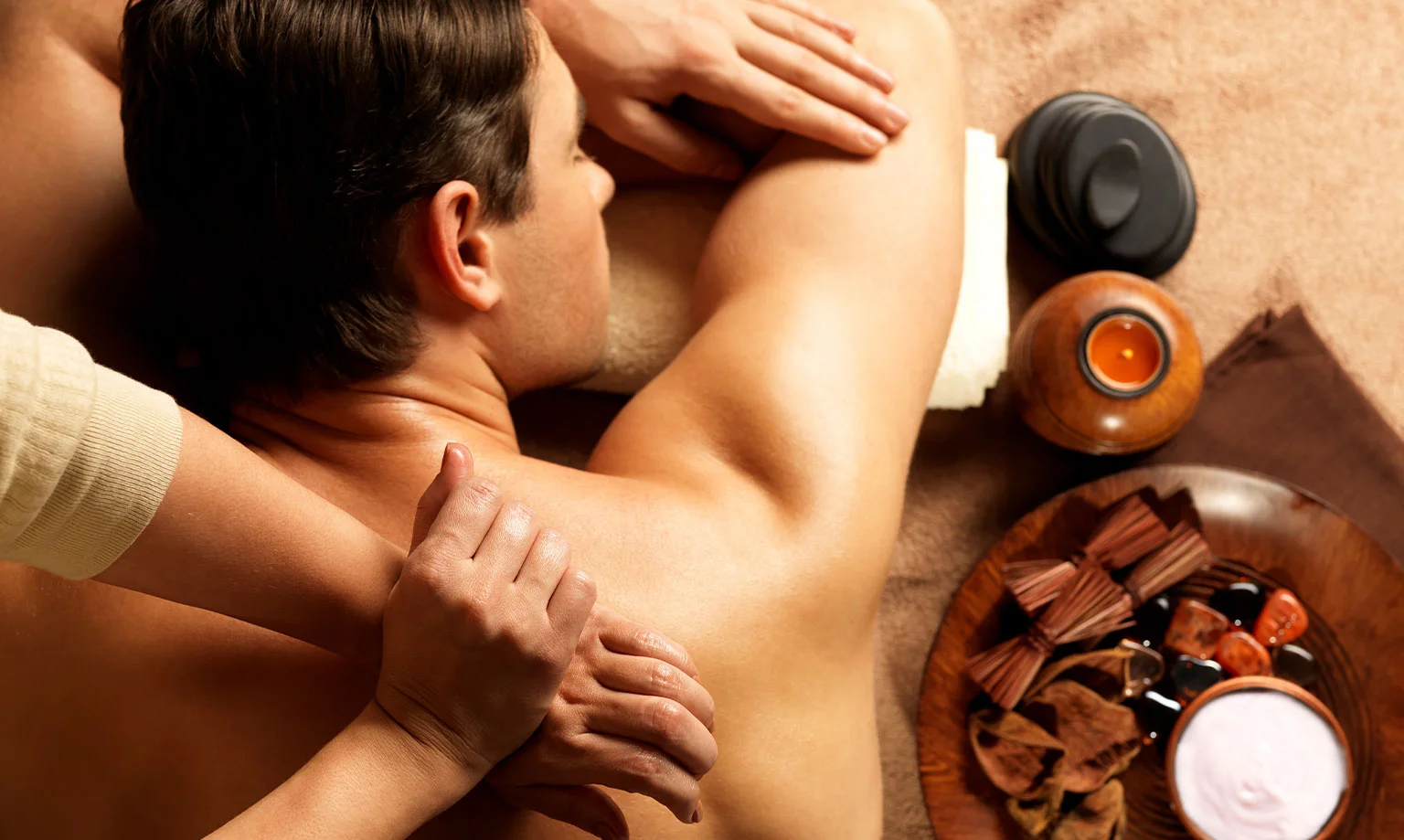
If your shoulders feel tight after desk work, or you’re carrying the strain of a long commute, Swedish massage can offer a calmer, whole-body approach. Your RMT typically uses smooth, gliding strokes and kneading, with pressure that can be light, moderate, or adjusted as you go.
For a first massage, the steady rhythm can also make the experience feel easier to settle into. You don’t need to arrive with a specific problem area. You can simply tell your therapist what kind of session you’re hoping for: more relaxing, focused on general tension, or somewhere in between.
Learn more about Swedish massage in Edmonton.
What happens during deep tissue massage?
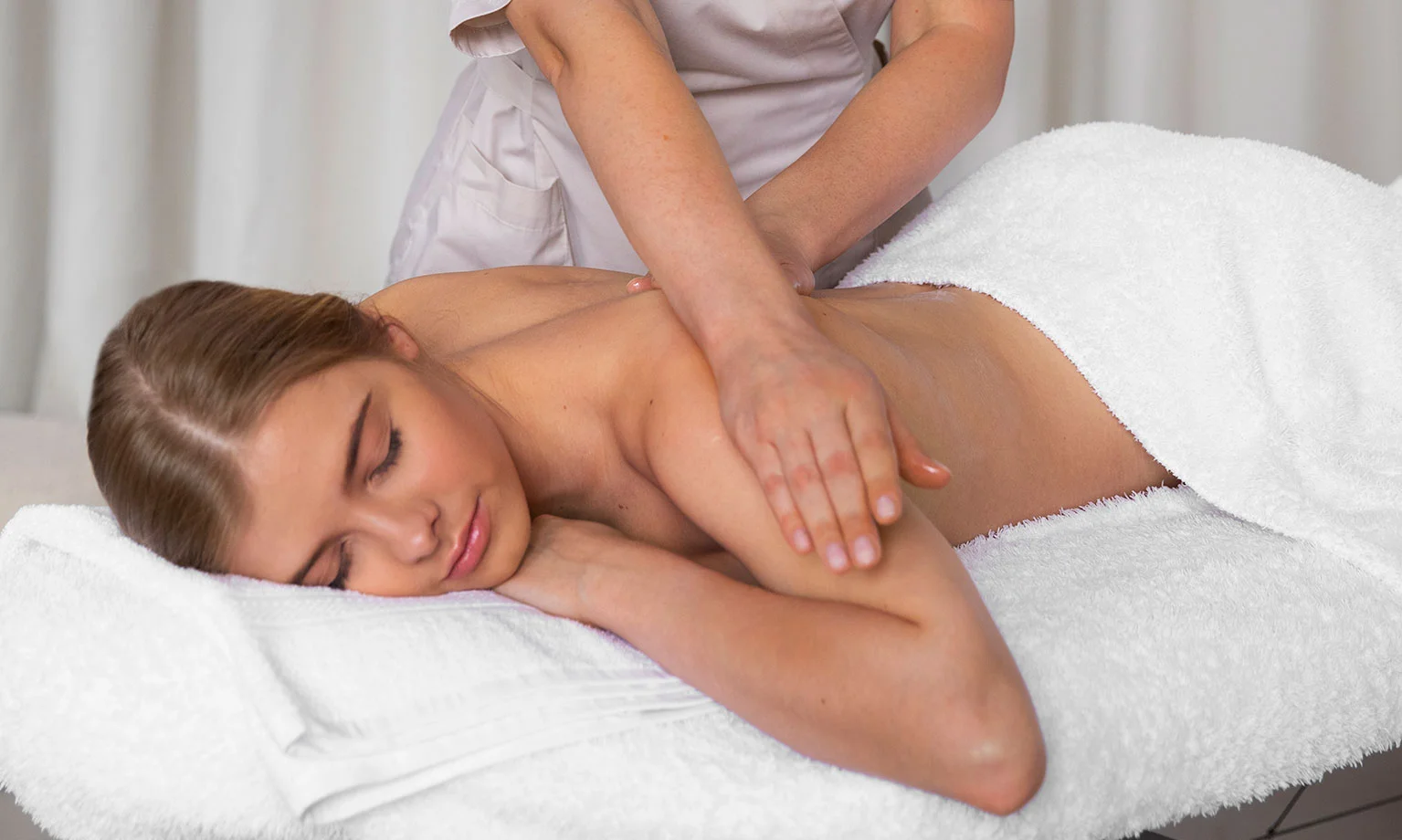
If you have a particular area that feels persistently tight (perhaps your upper back after hours at a screen, or your legs after running) the session can focus more closely on that area. Deep tissue massage often uses slower, firmer pressure and may work through different layers of muscle and connective tissue.
Firmer pressure isn’t a test of how much discomfort you can tolerate. Deep tissue should never be painful to the point that you’re wincing or bracing. Tell your RMT if pressure feels sharp, overwhelming, or simply too much. Your therapist can ease up, change the approach, or focus elsewhere.
For a closer look at the service, visit Massage Quest’s deep tissue massage page.
Which one should you choose?
Choose Swedish if…
- You want to unwind and prefer a flowing, full-body session.
- You’re new to massage and would like to start with lighter or moderate pressure.
- Your tension feels general rather than concentrated in one spot.
- A busy week, desk work, or winter weather has left you feeling wound up.
Choose deep tissue if…
- You have a specific area of muscular tightness you’d like your RMT to focus on.
- You prefer firmer, more targeted pressure and can comfortably communicate what works for you.
- You’re active and want to discuss focused work as one part of your recovery routine.
For Edmonton runners who spend time on the River Valley trails, or hockey players returning to the ice, the best session depends on your body and schedule, not just the sport. Massage may be one part of a recovery plan, alongside rest and appropriate training. A 2020 review of 29 studies involving 1,012 participants found small benefits from sports massage for flexibility and delayed-onset muscle soreness, but no clear improvements in strength, sprinting, or endurance. Those findings are about sports massage broadly, not proof that one pressure style is best for everyone. Read the study in BMJ Open Sport & Exercise Medicine, and explore our related guide to hockey season recovery in Edmonton.
Why many clients mix both
You don’t have to choose one technique for every minute of a session. Your RMT may use broader, flowing strokes to begin and then spend more time on a particular area, with your agreement. You can also ask for a mostly relaxing session with a little focused work, or the reverse.
That conversation before and during your appointment helps your therapist personalize the pressure and approach. Your preferences matter throughout.
A note on evidence and safety
Massage can help some people feel more relaxed or less tense, but results vary, and it isn’t a substitute for medical assessment. The Mayo Clinic’s overview of massage therapy notes that evidence for some benefits is still limited.
If you take blood thinners, have a bleeding disorder, or have another significant health condition, check with your healthcare provider before booking. Share relevant health information with your RMT as well. During the session, speak up if something feels uncomfortable. Pressure is adjustable, and you never need to push through pain.
Find your fit at Massage Quest in Edmonton
Whether you’re looking for a restorative pause or focused attention for a tight area, Massage Quest’s registered massage therapists (RMTs) can discuss your preferences and tailor your session. The clinic at 116 Edgemont Road NW, Edmonton offers a cozy setting with soothing music, along with direct insurance billing and easy online booking. Same-day appointments may be available, depending on the schedule.
Explore our massage therapy services in Edmonton to compare options. When you’re ready, book online and let your RMT know what your body needs right now.