If your neck feels tight after a long commute, your shoulders carry the day’s desk work, or winter stiffness makes it harder to get moving, you may be curious about acupuncture, and unsure what those tiny needles actually feel like. It’s a fair question.
Acupuncture can be a complementary option for people managing pain, tension, or stress. Your first visit should feel like a conversation, not a test of how much discomfort you can tolerate.
What is acupuncture?
Acupuncture involves inserting very fine needles through the skin at specific points on the body. It has roots in traditional Chinese medicine (TCM), which describes these points in relation to pathways called meridians. Current research also looks at possible effects on the nervous system and other tissues; exactly how acupuncture works is not fully understood.
At a massage therapy clinic, acupuncture may be offered on its own or alongside massage therapy, depending on your needs and the practitioner’s plan. It is complementary care, not a cure, and not a replacement for medical assessment or other care you need.
You can explore Massage Quest’s acupuncture and massage therapy services in Edmonton to learn more about the clinic’s approach.
What might acupuncture help with?
People often consider acupuncture while managing ongoing back or neck discomfort, tension headaches, jaw tension, or stress. It may also be part of a broader wellness routine. Whether you spend your workday at a desk, skate or play hockey, or run the River Valley trails, your practitioner can discuss your goals and whether acupuncture may be appropriate for you.
The evidence varies by condition. The National Center for Complementary and Integrative Health (NCCIH) reports that a review of 20 studies involving 6,376 people found benefits from acupuncture for several painful conditions continued for up to a year after treatment ended, with neck pain the exception. That finding does not mean everyone responds the same way, or that acupuncture works for every concern. You can read the NCCIH’s overview of acupuncture effectiveness and safety.
Your first session, step by step
1. You talk through your needs. Your practitioner will ask what brings you in, what you hope to get from the session, and about your health history. Share any relevant conditions and medications. This helps the practitioner plan carefully and answer your questions.
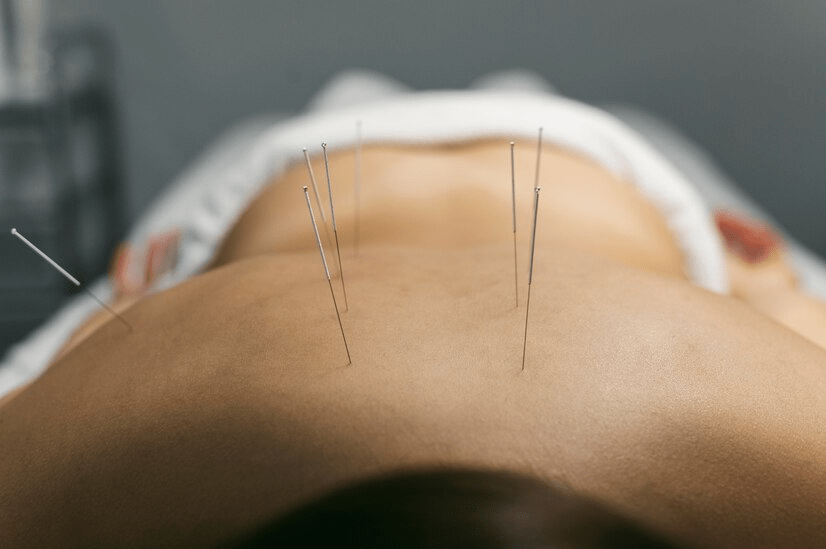
2. You get comfortable and stay covered. You do not need to fully undress for acupuncture. Points can be reached on areas such as your arms, legs, ears, or back as needed. You may be asked to adjust a sleeve or clothing slightly, and your privacy and comfort should be respected throughout.
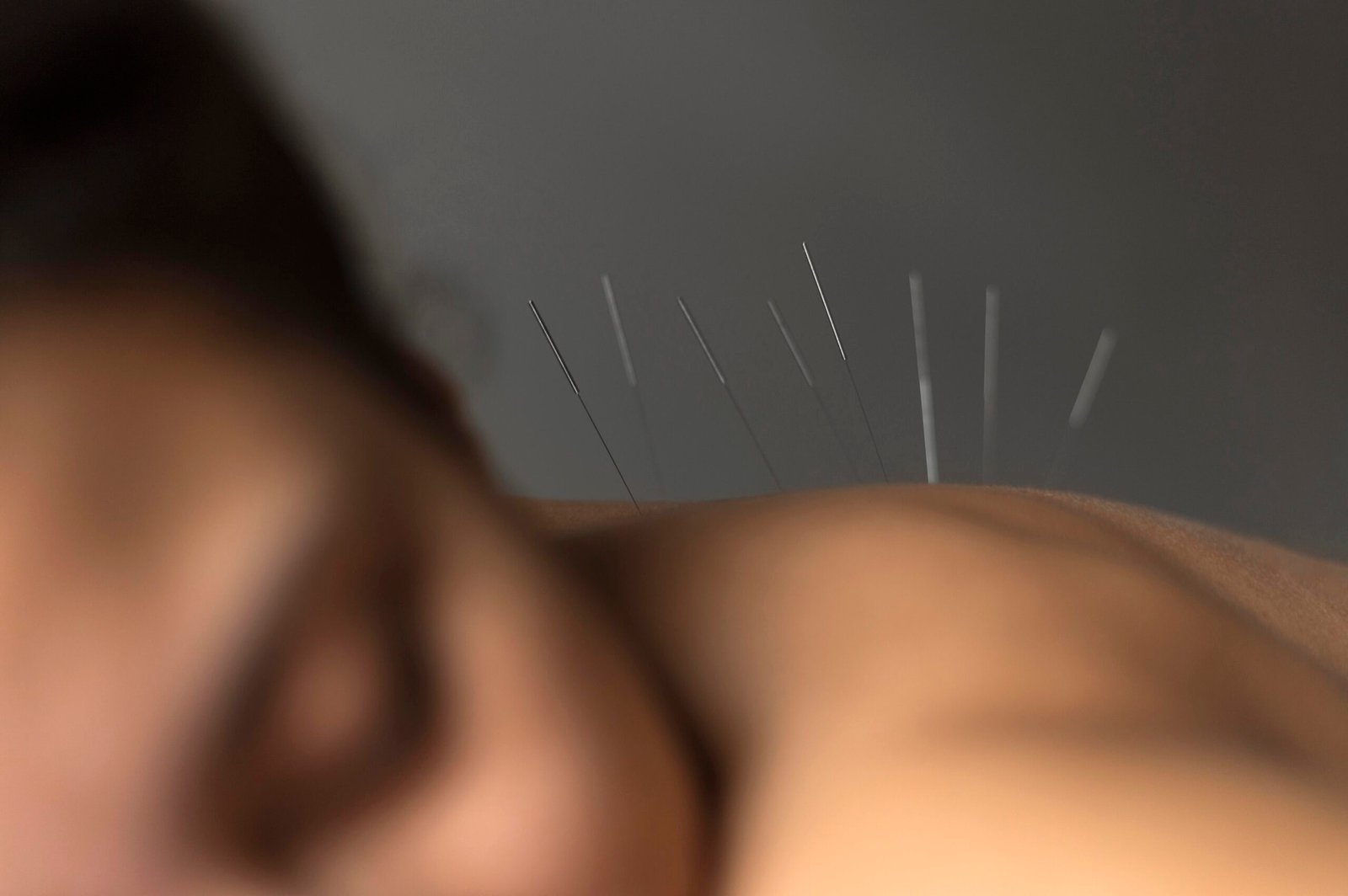
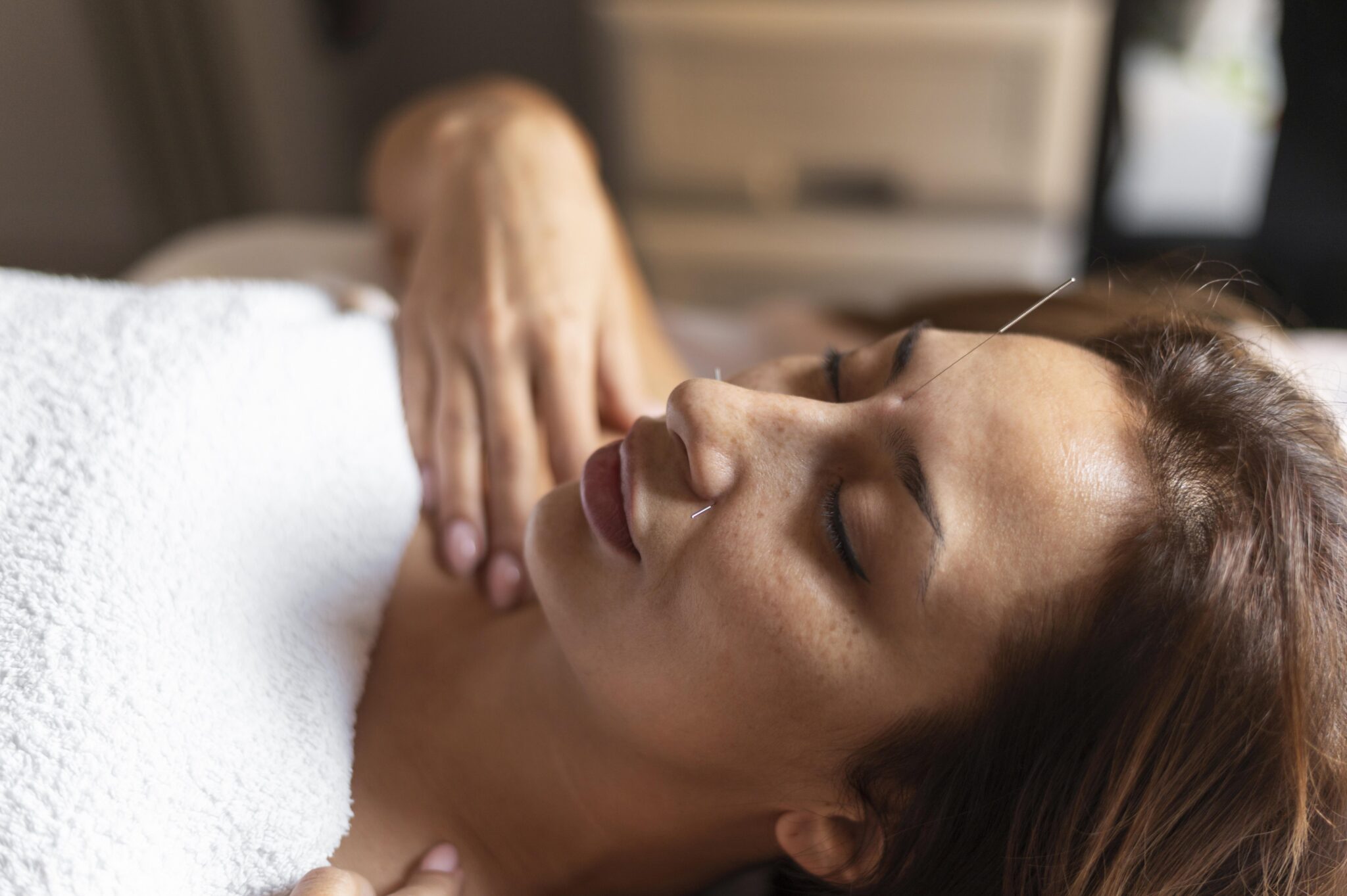
3. The needles are placed. A qualified practitioner uses sterile, single-use needles at selected points. The needles are very fine, and many people feel little to no pain when they are inserted. You might notice a brief prick, pressure, tingling, warmth, heaviness, or a dull ache.
Some practitioners refer to a needling sensation such as heaviness or dull aching as deqi. It isn’t a measure of success. If you feel sharp, intense, or persistent pain, tell your practitioner so they can respond.
4. You rest while the needles are in place. The needles typically remain in for about 15–30 minutes. You can lie quietly in a calm room and let your body settle. Your practitioner removes the needles at the end of the session.
Safety matters: what to tell your practitioner
Acupuncture is generally considered low risk when performed properly, but safe technique matters. Your practitioner should use a new, sterile needle for each insertion and discard it after use. Before your appointment, tell the practitioner about your medications, health conditions, and any past reactions to needles.
If you take blood thinners, have a bleeding disorder, or are pregnant, check with your healthcare provider before booking. You can also bring any questions or concerns to your practitioner before treatment begins. You should feel comfortable asking them to explain what they’re doing, or to pause at any point.
Acupuncture and massage therapy: a complementary approach
Acupuncture and massage therapy use different techniques. Massage involves hands-on work with soft tissues; acupuncture uses needles at selected points. Some people choose to explore both as part of their wellness plan, while others prefer to begin with one service and see how they feel.
If jaw tension is part of what you’re experiencing, you can also read about TMJ massage in Edmonton. A registered massage therapist can discuss massage options and help you understand which service fits your goals. For broader information, see Massage Quest’s massage therapy services.
Finding acupuncture in Edmonton
If you’re exploring acupuncture Edmonton options, look for a practitioner who explains the process, asks about your health history, and makes room for questions. That first conversation can make the experience feel far more straightforward.
Massage Quest welcomes you at 116 Edgemont Road NW, Edmonton, in a cozy clinic setting designed to help you feel at ease. The clinic’s registered massage therapists provide personalized care, and acupuncture is available as a complementary service. Same-day appointments may be available, and online booking makes it easy to check current openings. Direct insurance billing is available for eligible services; confirm your plan’s coverage for the service you’re booking.
Whether you’re dealing with desk-related tension, stiffness after an active week, or simply want to understand what acupuncture involves, you can start with a question and a conversation. Book online or call 780-800-2937 to ask about acupuncture and available appointments.