If you notice more stiffness or achiness as Edmonton’s temperatures drop, you’re not alone, and you don’t have to assume the cold is damaging your joints. Massage therapy may help you feel more comfortable and relaxed, but it does not treat or cure arthritis. The aim is practical: tailor hands-on care to your comfort and see whether it supports your movement and wellbeing.
Why can arthritis feel different in winter?
You might find that getting moving takes longer on a cold morning, or that your joints feel more noticeable after time outdoors. Research suggests weather changes may be associated with osteoarthritis pain for some people, but individual responses vary. The evidence does not show that cold weather causes arthritis or that winter symptoms mean your condition is getting worse. A systematic review and meta-analysis of weather and osteoarthritis pain found associations between weather factors and pain, not proof that weather causes joint damage.
Arthritis is common across Canada. Statistics Canada reported that 19.3% of Canadians aged 15 and older, about 5.7 million people, reported having arthritis in 2017. That national figure is not an Edmonton-specific estimate, but it helps put your experience in context. You’re part of a large community managing joint symptoms in every season. (Statistics Canada)
How might massage therapy support comfort?
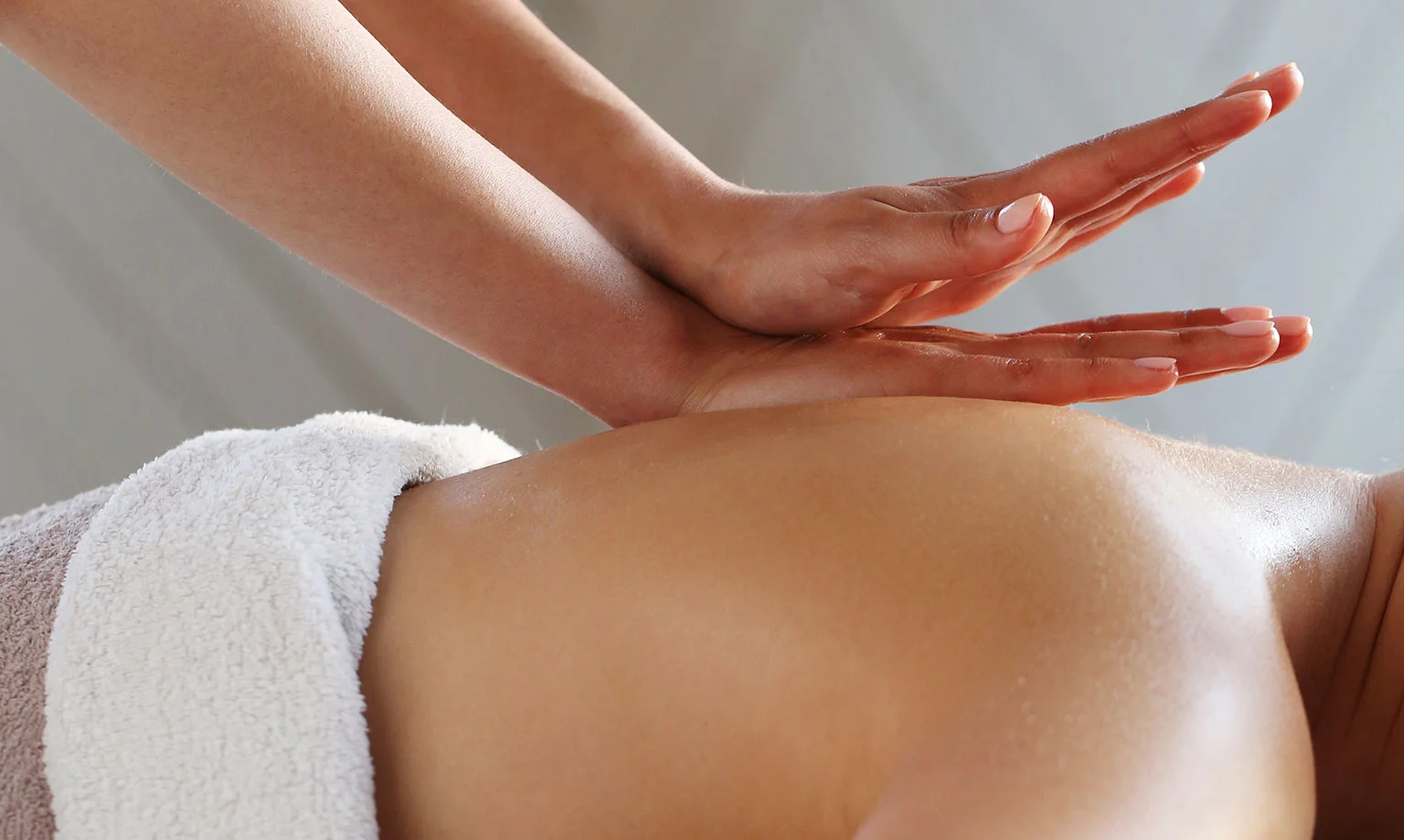
Massage therapy focuses on soft tissues such as muscles and connective tissue around the body. When winter stiffness makes you tense or hesitant to move, a comfortable session may help you relax, ease muscle tightness and feel more at ease with gentle movement. Your experience will depend on your health, the area involved and how your body responds.
Research is promising but limited. A systematic review of massage trials for arthritis reported potential short-term benefits for pain and function, while noting that the evidence was low to moderate in quality. A separate review of knee osteoarthritis trials found improvements in pain or stiffness over several weeks, but did not establish lasting benefits. (Arthritis massage therapy review; knee osteoarthritis review)
That’s why massage is best considered one part of your broader self-management plan, not a replacement for medical care, prescribed treatment, exercise or rehabilitation. If you’re exploring therapeutic massage in Edmonton, let your RMT know what you want help with and what feels comfortable for you.

Your comfort sets the pressure and pace
Living with arthritis doesn’t mean you need to avoid massage. It does mean your treatment should be planned around your current symptoms and comfort, not a standard routine or a pressure level you feel you have to tolerate.
Before your appointment, tell your RMT:
- Which joints or areas feel stiff or sensitive, and when symptoms are most noticeable.
- Whether you’re having a flare-up or your symptoms have recently changed.
- About relevant health conditions, recent procedures or injuries, and any medical guidance you’ve received.
- What kind of touch feels comfortable, and what you want the therapist to avoid.
Your RMT can adjust positioning, pressure, pace and the areas worked on. That may mean using lighter techniques around sensitive areas, focusing on nearby muscles rather than pressing directly on an uncomfortable joint, or changing position so you can stay supported. You can ask for a change or pause at any time. A massage should feel manageable, not like something you need to endure.
At Massage Quest, registered massage therapists personalize care based on your needs and feedback. If you’re unsure whether massage suits your symptoms, ask your healthcare provider before booking.
Small winter habits to pair with massage
Massage can be one supportive option among everyday steps that help you stay comfortable. Whether you’re heading out near Edgemont or managing a busy workday, consider what feels realistic for you:
- Keep warm: Dress in layers and protect hands, knees and feet from the cold. Indoors, choose a comfortable temperature rather than trying to push through feeling chilled.
- Ease into movement: Gentle range-of-motion activity can help you start the day gradually. Follow the advice you’ve received from your healthcare provider or physiotherapist, especially if exercise is already part of your plan.
- Pace your activities: Break larger tasks into manageable stretches and take pauses before fatigue builds.
- Notice your own patterns: A simple note of weather, activity and symptoms may help you see what affects your comfort. It won’t diagnose a problem, but it can give you useful details to share with your care team.
The goal isn’t to eliminate every stiff morning. It’s to find manageable ways to keep participating in the activities that matter to you.
When should you consult a healthcare provider first?
Check with your healthcare provider before massage if your symptoms are new, worsening or not typical for you, or if you’re uncertain whether hands-on care is appropriate. Seek prompt medical advice for a joint that becomes unusually hot, red or markedly swollen, especially if you also have a fever or feel unwell. These symptoms need assessment; massage should not be used to investigate or manage them.
If you already have a diagnosis, your healthcare provider can help distinguish a familiar change in comfort from a symptom that deserves further evaluation. Share any relevant advice with your RMT so your session can be planned accordingly.
FAQs: Arthritis, winter stiffness and massage
Can cold weather make arthritis pain worse?
Some people with arthritis report more discomfort or stiffness in cold weather. Research has found associations between weather conditions and osteoarthritis pain, but it does not prove that cold causes arthritis or joint damage. Your response may differ from someone else’s.
Can massage help with arthritis-related stiffness?
Massage may support short-term comfort, relaxation or ease of movement for some people. Evidence is limited, and results vary. Massage does not cure arthritis or replace medical care, exercise or rehabilitation.
Should massage be deep if you have arthritis?
No. Pressure should be adapted to your comfort, the area being worked on and your current symptoms. Tell your RMT what feels comfortable, and speak up if you want less pressure or a pause.
Should I book a massage during a flare-up?
That depends on your symptoms. If a joint is unusually hot, red or markedly swollen, or you have new or rapidly worsening symptoms, consult a healthcare provider before booking. Your RMT can also discuss whether to adapt or reschedule a session based on how you’re feeling.
A comfortable next step in Edmonton
If winter stiffness is affecting your routine, a conversation with a registered massage therapist can help you decide whether a gentle, personalized session fits your comfort and care plan. At Massage Quest, you’ll find RMTs, a cozy clinic at 116 Edgemont Road NW, direct insurance billing for many providers and same-day appointments when available. You can also learn more about our RMT team and massage services in Edmonton.
When you’re ready, book online. Share what you’re experiencing, and your therapist can work with you to make the session feel supportive and comfortable.