If you’ve been thinking about booking a massage but aren’t sure what happens once you arrive, Swedish massage is a familiar place to start. The strokes are generally flowing and gentle, the pressure is adjustable, and your registered massage therapist (RMT) will explain the process and check in with you.
That can be welcome reassurance during Edmonton’s long, dark winters, after a commute, or when desk work leaves your shoulders feeling tight. You don’t need to know massage terminology, or arrive with a specific problem. You just need to tell your RMT what would feel comfortable.
What Swedish massage actually is
Swedish massage is the classic Western relaxation massage many people picture: long, gliding strokes combined with kneading, circular movements and other rhythmic techniques. Pressure is usually light to medium, but your RMT can adjust it to suit your preferences.
The aim is to create a comfortable, settling experience and ease everyday muscle tension. It may also help you feel more relaxed. Results differ from person to person, and massage isn’t a substitute for medical care.
You may hear about five traditional strokes. The names sound technical; the movements are straightforward:
- Effleurage: Long, smooth gliding strokes, often used to begin, end or connect parts of the session.
- Petrissage: Gentle kneading, lifting or rolling of the muscles, similar to working dough, but adapted to your comfort.
- Friction: Small, focused circular movements in a particular area.
- Tapotement: Light, rhythmic tapping or patting. Your RMT may use it briefly or leave it out if it doesn’t suit you.
- Vibration: A quick, gentle shaking or trembling movement, usually applied for a short time.
Your RMT chooses and adapts techniques based on your goals, comfort and health history. You can ask for lighter pressure or a change at any point.
Who might enjoy a Swedish massage?
Swedish massage may be a good fit if you’re new to massage, want time to unwind, or find firm pressure uncomfortable. You might also appreciate it when everyday tension builds from long hours at a desk, driving across the city, or staying indoors through a cold snap.
For some people, the quiet pace and hands-on relaxation help them settle before bed. Massage may support relaxation and ease tension, but it can’t guarantee better sleep or a particular health outcome.
You don’t need to be an athlete or have a specific concern to book. If your weekend includes a walk through the river valley or a busy round of errands, a session can simply be a chance to pause and check in with your body.
For a broader view of the clinic’s options, visit Massage Quest’s services. If you’re weighing different pressure styles, you can also read our Swedish vs. deep tissue massage guide.
What your first session may feel like, step by step
Every appointment is a little different. For a typical one-hour session, the sequence may look something like this:
- Before you get on the table: Your RMT asks about your goals, comfort, health history and any areas you’d like them to avoid or focus on. This is the time to mention if you’re unsure about pressure.
- Getting settled: Your therapist steps out while you undress to your comfort level. You can keep on as much clothing as you prefer; your RMT will explain what makes sense for the massage you’ve discussed.
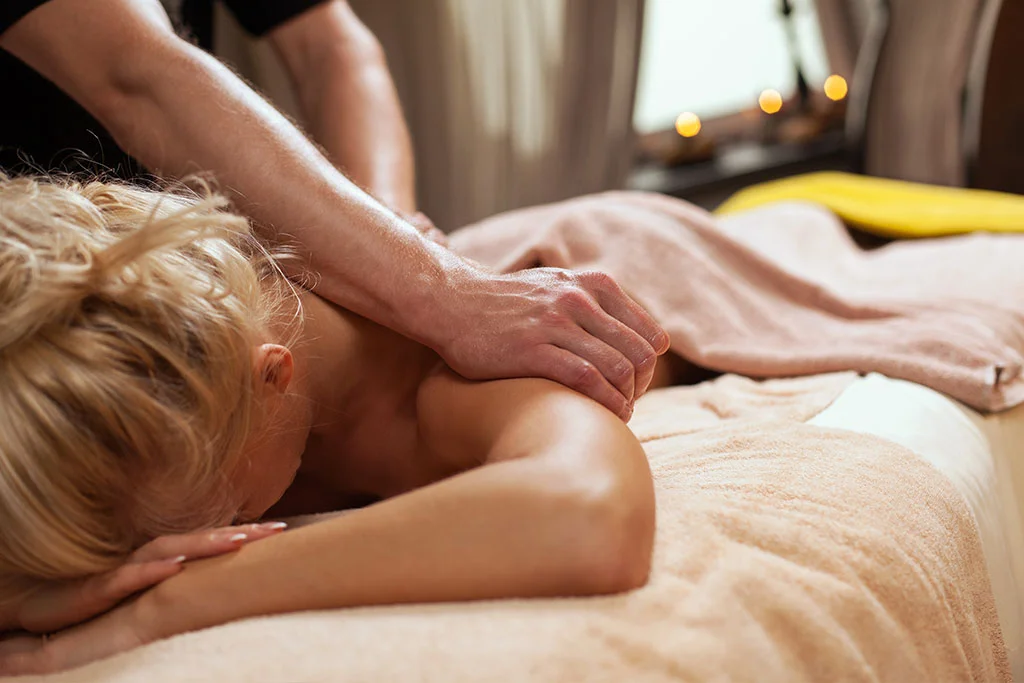
- Draping and starting: You get under the sheet or blanket, and only the area being worked on is uncovered. Your RMT applies oil or lotion to help their hands glide smoothly over the skin.
- The first strokes: The massage often begins with slower, lighter strokes so you can adjust to the sensation. Your RMT checks in about pressure and comfort, and you can speak up any time.
- Settling into the session: Your RMT works through the areas you discussed, changing techniques and pressure as needed. You may be asked to turn over partway through, with draping maintained.
- Winding down: The session usually ends with a slower pace. You’ll have time to get dressed privately and take a moment before heading out.
Some people doze off. That’s normal, and many RMTs take it as a sign that you’re comfortable enough to relax. You don’t have to make conversation, either. Quiet is welcome.
What the evidence can, and can’t, tell you
Massage is widely used, but it’s sensible to keep expectations grounded. The U.S. National Center for Complementary and Integrative Health reports that 10.9% of U.S. adults used massage therapy in 2022. That figure shows how common massage is; it doesn’t prove what one session will do for you.
The NCCIH overview of massage therapy notes that research has found possible short-term relief for some types of pain, while also emphasizing that evidence varies. Think of Swedish massage as a wellness service that may help you relax, not a cure, a diagnosis or a replacement for care from your healthcare provider.
A few comfort and safety notes
Your comfort matters throughout the appointment. Tell your RMT if the pressure feels too strong, if anything feels sharp or uncomfortable, or if you’d prefer a pause. You can request lighter pressure, a different focus or more coverage.
Before your session, mention circulatory conditions, recent injuries, pregnancy, skin conditions, relevant medications or any other health concerns. Your RMT can adapt the session or suggest that you speak with your healthcare provider first. For medical concerns, work with your healthcare provider rather than relying on massage alone.
Afterward, you may feel relaxed or mildly drowsy. Take your time getting up, sip water as you normally would and keep the rest of your day comfortable if you feel like easing into it.
Book a Swedish massage in Edmonton
If you’re looking for massage therapy Edmonton residents can fit into a busy week, Massage Quest offers personalized sessions with registered massage therapists. At our cozy clinic at 116 Edgemont Road NW, soothing music and a warm setting offer a welcome pause from the cold outside.
You can check availability for same-day appointments, book easily online and ask about direct insurance billing. If you have questions before booking, call 780-800-2937. Choose a time that works for you, and let your RMT know what would help you feel at ease.