If you're dealing with desk-job tension, chronic stress, or that nagging feeling that your body's just… tired, you're not alone. Modern life in Edmonton, long winters, demanding schedules, screen-heavy workdays, takes a real toll.
Here's the thing: sometimes the solutions to our most modern problems come from the oldest traditions.
Ancient healing techniques like cupping therapy, hot stone massage, and reflexology have been around for thousands of years. They've stuck around because they work. Not in a mystical, hand-wavy sense, but in a practical, "this actually addresses the physical tension and stress patterns your body develops" kind of way.
Let's walk through what these treatments actually do, how they help with the stuff you're dealing with right now, and why they're worth considering in your wellness routine.
Why Ancient Techniques Still Matter Today
You might wonder why practices from centuries ago would be relevant when you're stressed about deadlines, sitting in traffic, or recovering from weekend hockey.
The answer is straightforward: our bodies haven't fundamentally changed. The stress response that kept our ancestors alert to danger? That's the same system firing off when you're stuck in back-to-back Zoom calls. The muscle tension from repetitive work? Whether you're farming or typing, your body responds the same way.
Ancient healing modalities developed over generations specifically to address these physical patterns. They worked then. They work now. The good news is that you don't need to choose between modern medicine and traditional approaches, they complement each other beautifully.
Cupping Therapy: More Than Just Circular Marks
Let's be honest, you've probably seen those circular marks on athletes and wondered what's going on. That's cupping therapy, and there's a reason it's having a moment.
Cupping works by creating suction on your skin using glass, silicone, or bamboo cups. This draws blood flow to the area, releases fascial adhesions (those spots where your tissue feels "stuck"), and encourages your body's natural healing response.
The practice dates back to ancient Egypt around 1550 BC, though many associate it with Traditional Chinese Medicine. Different cultures, same concept: use gentle suction to move stagnant energy and improve circulation.
What cupping actually helps with:
- Tight shoulders and upper back (especially if you work at a computer)
- Muscle recovery after training or physical work
- Chronic pain patterns that don't respond well to other treatments
- Respiratory congestion and circulation issues
When you come in for cupping therapy in Edmonton, your therapist will assess where you're holding tension and place cups accordingly. Some stay in place; others might be moved across your skin in a technique called "sliding cupping." It feels unusual at first, a pulling sensation rather than pressure, but most people find it surprisingly relaxing.
Yes, you'll likely get those circular marks. They're not bruises (no tissue damage), but temporary discoloration from increased circulation. They fade within a week or so.
Hot Stone Massage: Heat That Actually Penetrates
If cupping is about suction, hot stone massage is about deep, penetrating warmth. And when Edmonton winters leave you feeling cold down to your bones, that warmth hits different.
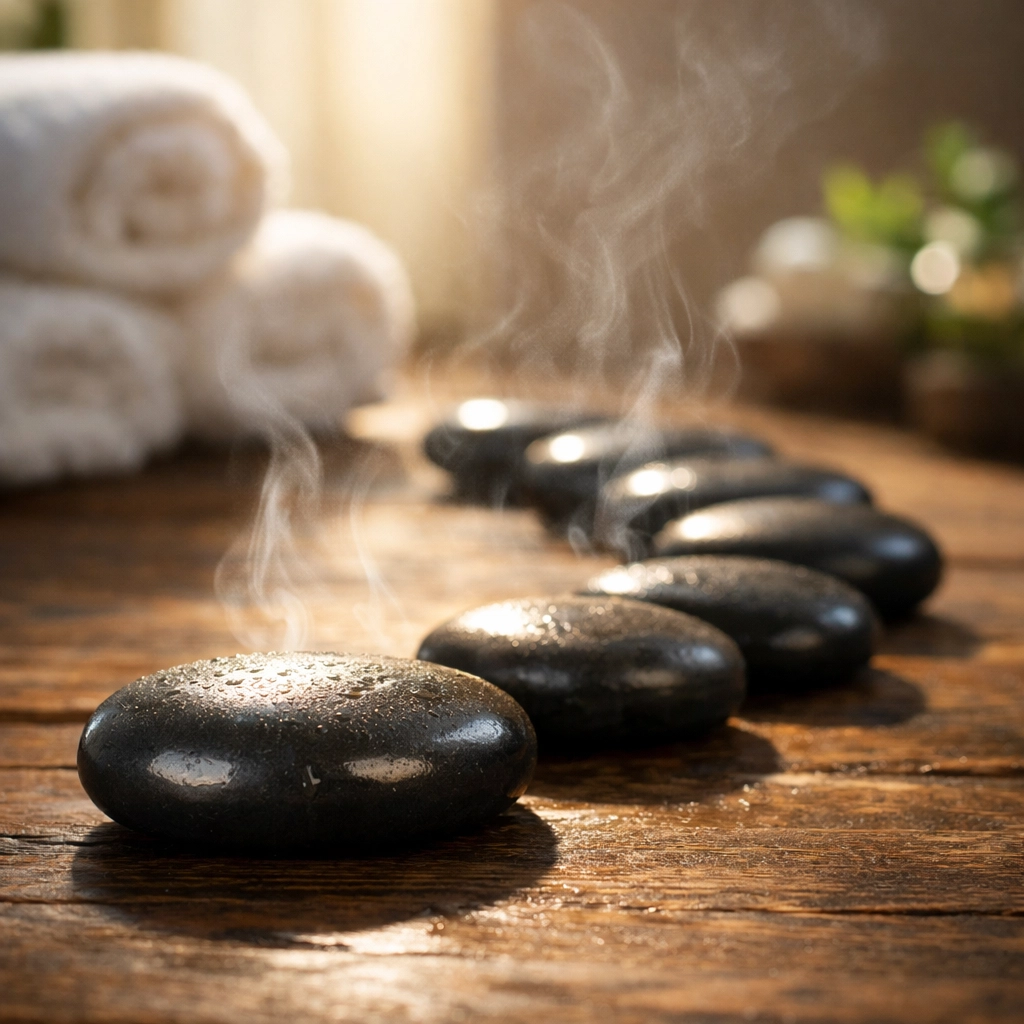
Smooth, heated basalt stones are placed on specific points of your body, along your spine, in your palms, between your toes. The therapist also uses them as massage tools, the heat allowing them to work deeper into tight muscles without the discomfort you might experience with deep tissue work alone.
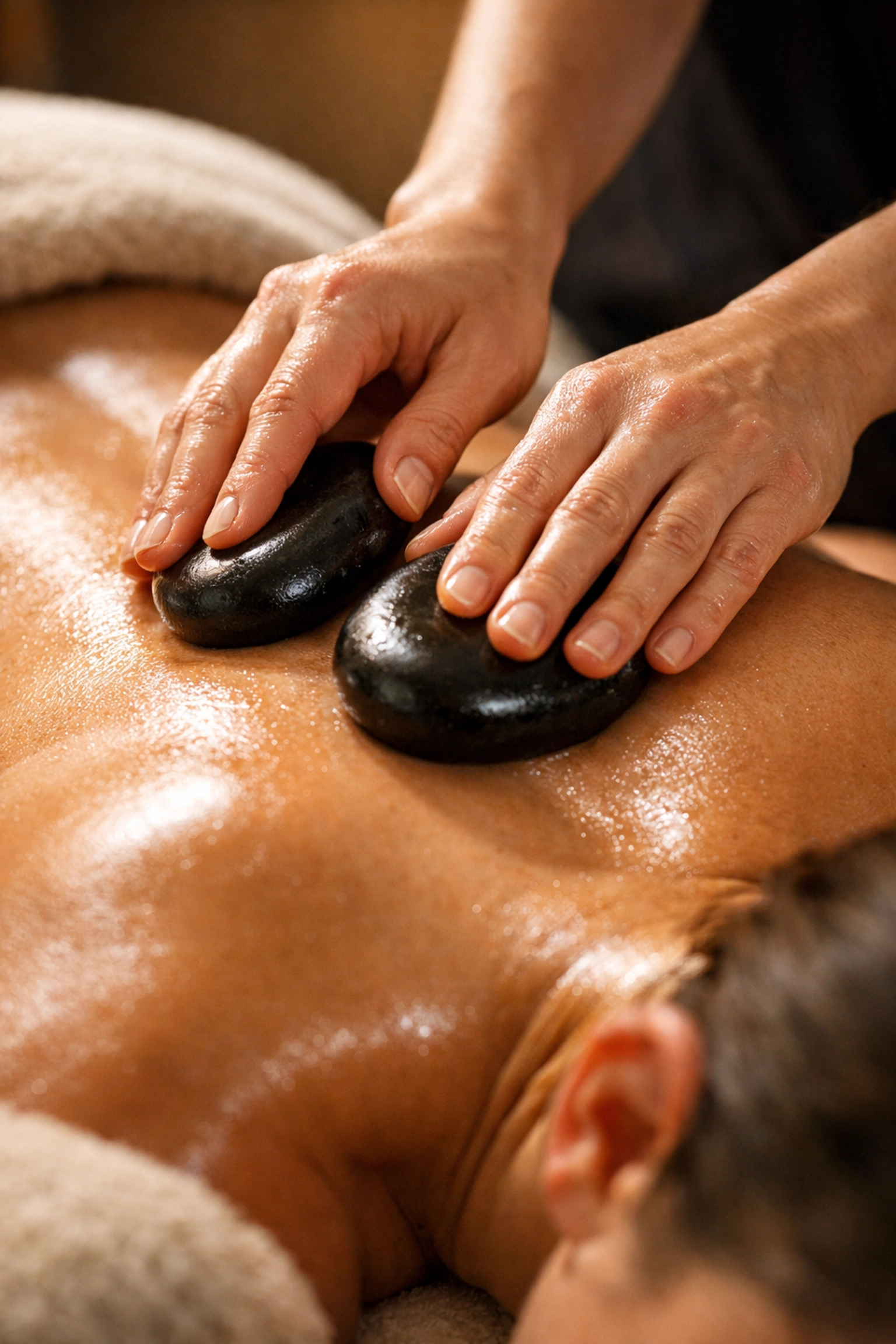
The heat serves multiple purposes:
- Dilates blood vessels, improving circulation and helping your body flush out metabolic waste
- Relaxes muscle tissue at a deeper level than manual pressure alone
- Calms your nervous system, shifting you out of that fight-or-flight stress response
- Enhances the effectiveness of massage techniques by making tight tissue more pliable
What most people miss about hot stone therapy is that it's not just relaxing, it's strategic. The placement of stones follows energy meridians and targets areas where tension commonly accumulates. Combined with hands-on massage, it addresses both the physical knots and the stress patterns that created them in the first place.
If you're someone who holds tension deep in your muscles, finds regular massage painful, or just needs to genuinely decompress, hot stone therapy might be exactly what you're looking for.
Reflexology: Your Feet Know More Than You Think
Reflexology operates on a premise that sounds unusual until you try it: specific points on your feet, hands, and ears correspond to different organs and systems in your body. Apply pressure to these reflex points, and you can influence how those systems function.
Yes, it sounds a bit out there. But reflexology has roots in ancient Egyptian, Chinese, and Indian healing traditions, and there's something to it. Whether you buy into the meridian theory or simply recognize that focused touch stimulates your nervous system in beneficial ways, the results speak for themselves.
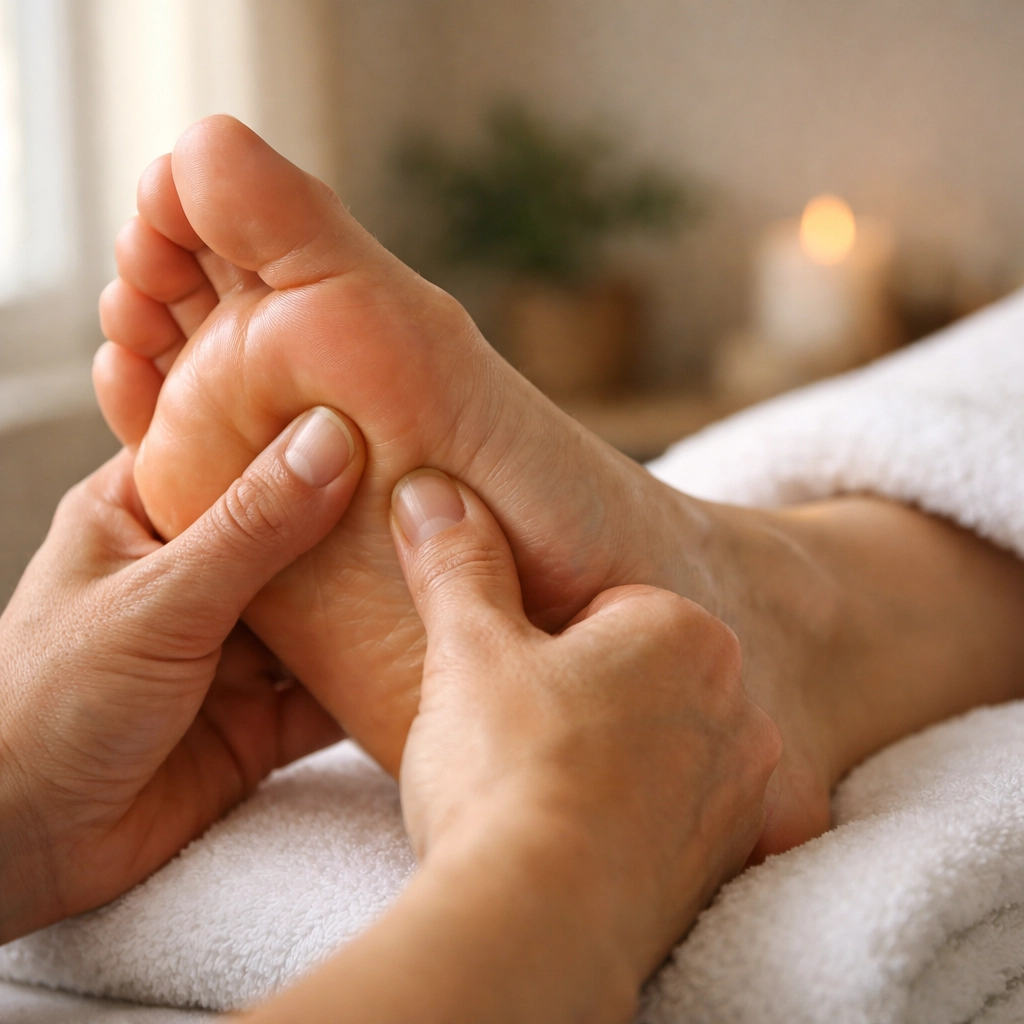
During a reflexology session, a trained therapist applies precise pressure to points on your feet (most commonly) using specific thumb and finger techniques. It's not a foot rub: it's systematic, targeted work that often reveals tender spots you didn't know you had.
Common benefits people experience:
- Reduced stress and anxiety (sometimes immediately)
- Better sleep patterns
- Improved digestion
- Relief from headaches and migraines
- Support for overall body system balance
For those dealing with chronic conditions or recovering from illness, reflexology can be a gentle complement to other treatments. It's also a good option if you're hesitant about full-body massage or have areas that are too painful for direct work.
How These Ancient Techniques Address Modern Problems
Whether you're managing deadline stress, recovering from a sports injury, or dealing with the physical effects of a sedentary job, these traditional modalities offer something current wellness trends often miss: they treat your body as an interconnected system.
Cupping therapy in Edmonton clinics isn't just about making marks: it's about releasing fascial restrictions that contribute to poor posture and chronic pain. Hot stone massage doesn't just feel good: the heat fundamentally changes how your muscles respond to treatment. Reflexology isn't foot pampering: it's nervous system regulation that can influence your entire body.
The modern lifestyle creates specific patterns: forward head posture from phones, hip tightness from sitting, elevated cortisol from constant connectivity. Ancient healing techniques developed to address postural imbalances, repetitive strain, and stress: just from different sources.
That's why they still work.
Combining Ancient and Modern Approaches
At Massage Quest, these traditional techniques integrate seamlessly with contemporary massage therapy. You might start with Swedish massage for overall relaxation, add cupping to specific problem areas, and finish with hot stone placement for deep muscle release.
Or you might combine deep tissue work with reflexology to address both the physical tension and the nervous system dysregulation driving it. The point isn't choosing ancient versus modern: it's using what works best for your specific needs.
If you're dealing with a particular condition or injury, talk with your therapist about which approaches might help. They can explain how different techniques address your situation and create a treatment plan that makes sense for your body and your goals.
What to Expect in Your First Session
Whether you're trying cupping, hot stones, or reflexology for the first time, here's what generally happens:
Your therapist will ask about your health history, current concerns, and what you're hoping to address. Be specific. "My neck hurts" helps, but "I get tension headaches three times a week, especially after long work days" helps more.
They'll explain the technique, what you'll feel, and what's normal versus what you should mention. Communication goes both ways: speak up if pressure is too intense, if you're uncomfortable, or if something feels particularly helpful.
After treatment, you might feel immediately relaxed, energized, or somewhere in between. Drink water. Give your body time to process. Don't schedule intense workouts or stressful activities right after if you can help it.
Some people feel effects immediately. Others notice changes over the next day or two as their body responds. Regular sessions tend to be more effective than one-offs, especially if you're addressing chronic issues.
Finding Your Fit
Ancient healing techniques aren't one-size-fits-all, and that's actually the point. Your body, your stress patterns, your life: they're unique. The treatment approach should reflect that.
If you're curious about how cupping therapy, hot stone massage, or reflexology might help with what you're dealing with, our therapists can walk you through options during a consultation. No pressure, no upselling: just honest information about what might work for your situation.
Sometimes the oldest solutions are exactly what our modern bodies need. Worth exploring, at least.