If you’re wondering, can massage help arthritis? Yes, massage may ease arthritis-related pain, muscle tension, and stiffness for a period of time. It may also help you move more comfortably, sleep better, and feel less overwhelmed by persistent symptoms.
Massage does not cure arthritis. It does not rebuild damaged cartilage or slow the autoimmune process behind rheumatoid arthritis. Instead, it works as a complementary therapy alongside the treatment plan provided by your physician, rheumatologist, physiotherapist, or other healthcare professional.
That distinction matters. When you’re looking for massage therapy in Edmonton, you deserve practical information, not promises that sound too good to be true.
How massage may help with arthritis symptoms
If you live with arthritis, your discomfort often comes from more than the joint itself. Tight muscles, reduced movement, protective guarding, stress, and poor sleep can all make pain feel more intense.
Massage works primarily with the body’s soft tissues, including muscles, fascia, and connective tissue. With the right pressure and positioning, it may help you:
- Reduce muscle tension around painful joints
- Ease short-term stiffness
- Support more comfortable movement
- Decrease the stress response associated with chronic pain
- Improve relaxation and sleep
- Feel more capable during everyday activities
Research is strongest for knee osteoarthritis. Studies have found that regular, moderate-pressure massage, often one hour weekly for several weeks, may improve pain, stiffness, mobility, and function in the short term. The evidence is promising but not perfect, and long-term disease modification has not been demonstrated.
The good news is that symptom relief can still be meaningful. If you can walk more comfortably through Edmonton’s River Valley, manage a winter commute with less shoulder tension, or get through your evening routine with less stiffness, massage may have a useful place in your overall care plan.
Massage for osteoarthritis versus rheumatoid arthritis
If you have osteoarthritis
Osteoarthritis, or OA, develops when the tissues in a joint change over time. It commonly affects the knees, hips, hands, spine, and other weight-bearing or frequently used joints.
When you have OA, massage may help by addressing the muscular tension that develops around a stiff or painful joint. Gentle-to-moderate work can make surrounding muscles feel less guarded and may support comfortable range of motion.
If you’re considering Swedish massage for arthritis, this is often a sensible starting point because Swedish massage uses flowing strokes, kneading, and controlled pressure rather than aggressive techniques. It may be especially appropriate when your goal is relaxation, general stiffness relief, or easing tension around, rather than directly pressing into, a sensitive joint.
Massage still cannot reverse osteoarthritis. You’ll usually get the best long-term results when massage is combined with strength-building exercise, appropriate physical activity, weight management when relevant, medical care, and advice from a physiotherapist or physician.
If you have rheumatoid arthritis
Rheumatoid arthritis, or RA, is an autoimmune disease that can cause inflammation, pain, swelling, and fatigue. Because RA affects the body differently from OA, you need a more cautious and individualized approach.
If your RA is stable and you are not experiencing an active flare, gentle massage focused on surrounding muscles may help reduce tension and support comfort. Light-to-moderate pressure is generally more appropriate than deep, forceful work.
When you’re experiencing a flare, with joints that are hot, swollen, unusually painful, or highly sensitive, avoid massage directly over the affected joints. You should also consult your rheumatologist before booking treatment during a flare or when your symptoms have changed.
Massage is not a replacement for disease-modifying antirheumatic drugs or other prescribed RA care. It is a comfort-focused addition that may support your quality of life when used safely.
Which massage style is best for arthritis?
If you’re comparing massage places in Edmonton, focus less on the name of the treatment and more on whether the therapist can adapt pressure, positioning, and technique to your condition.
Swedish massage for gentle relaxation
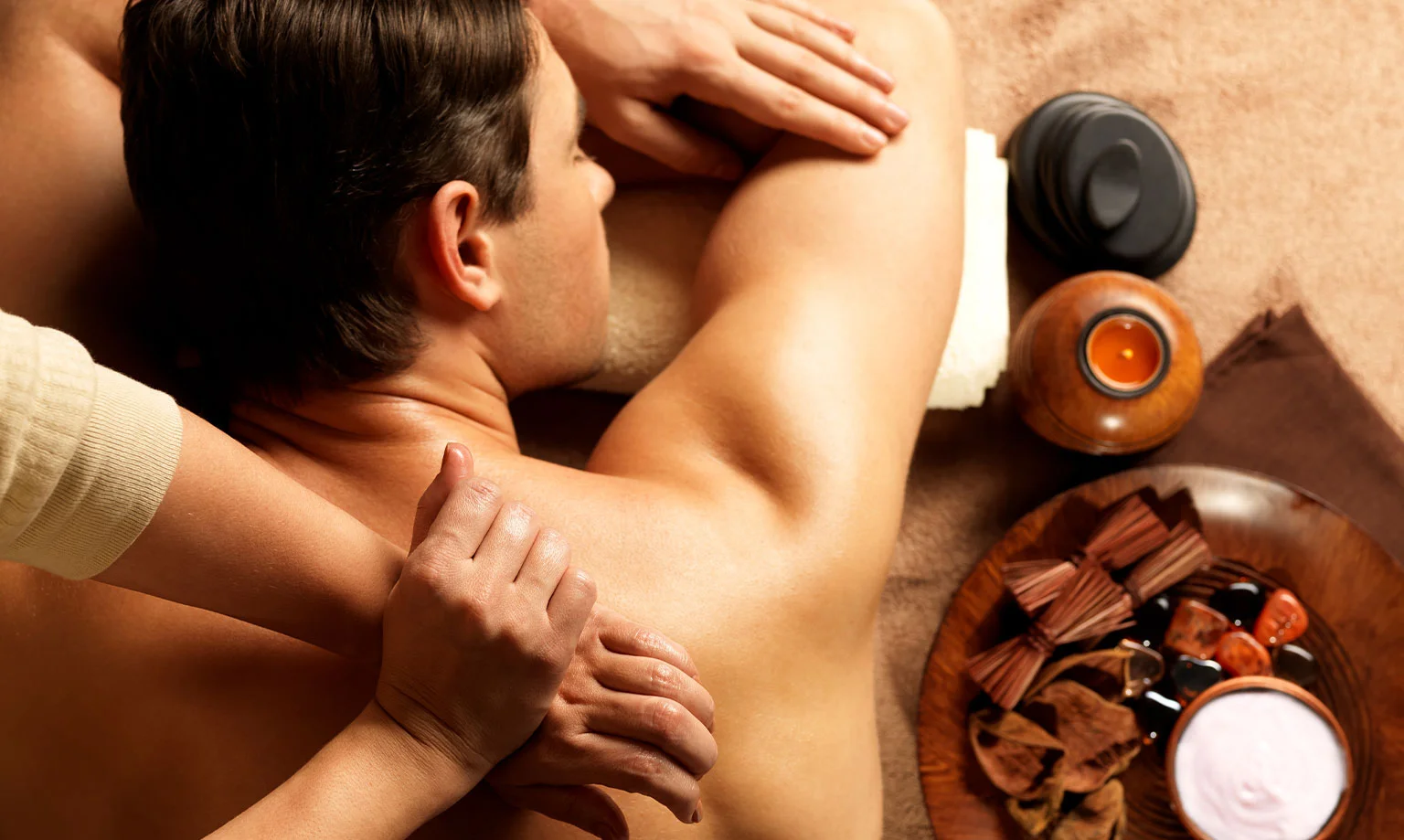
Swedish massage is usually the most approachable option when you want a calming, full-body treatment. Your therapist can use slower strokes and moderate pressure while spending extra time around areas affected by muscular tightness.
If you have mild-to-moderate stiffness, stress-related tension, or stable osteoarthritis, Swedish massage may help you relax without overloading sensitive joints. Tell your therapist which movements feel comfortable and which positions aggravate your symptoms.
You can learn more about Swedish massage in Edmonton before your appointment.
Therapeutic massage for targeted stiffness
If you’re dealing with recurring tension around the neck, shoulders, back, hips, or legs, therapeutic massage may offer a more focused approach. Your session can be adjusted to use light or moderate pressure on surrounding muscles rather than deep pressure over an arthritic joint.
A therapeutic treatment should not feel like something you have to endure. If pressure causes sharp pain, lingering soreness, or increased joint irritation, speak up immediately so your therapist can modify the approach.
Explore therapeutic massage therapy in Edmonton to see how a treatment can be tailored around your goals.
Hot stone massage for cold-weather comfort
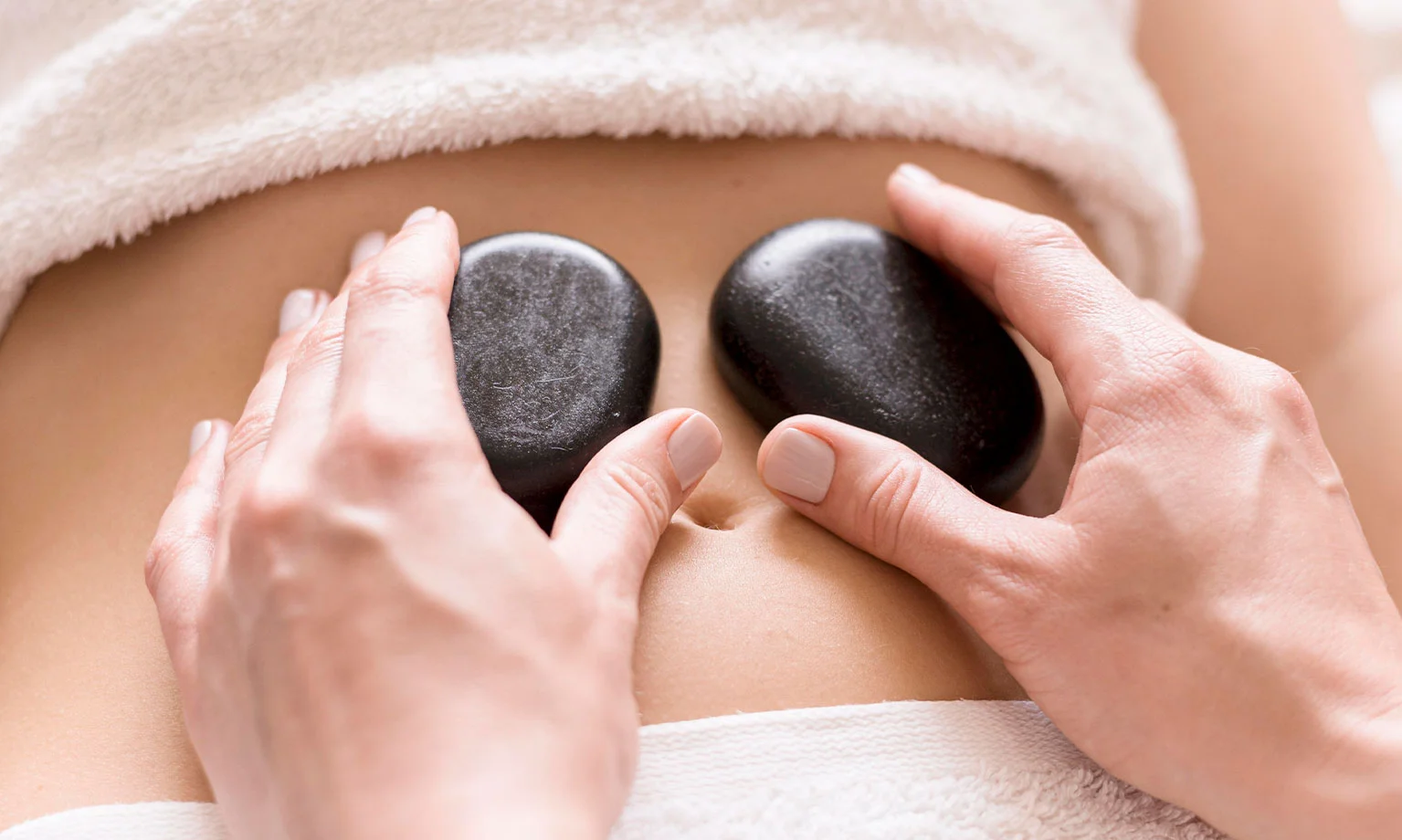
If Edmonton’s cold, dry winters make your muscles feel tight, the warmth of hot stones can be comforting. Hot stone massage combines heated basalt stones with gentle massage techniques to help relax tense soft tissue.
You should use extra care if you have reduced sensation, temperature sensitivity, diabetes-related nerve changes, circulation concerns, or difficulty judging heat. Your therapist should check the temperature with you and avoid placing heated stones over inflamed or highly sensitive areas.
If you’re interested, review the details of hot stone massage in Edmonton and discuss your health history before treatment.
Edmonton factors that can make stiffness feel worse
When you’re living in Edmonton, seasonal habits can influence how your joints and muscles feel.
If you spend more time indoors during cold weather, you may move less than usual. If you’re bracing against icy sidewalks or gripping the steering wheel during a winter commute, your shoulders and back may stay tense for hours. Snow shovelling can also place sudden demands on your hands, wrists, hips, knees, and lower back.
Fortunately, you can use massage as one part of a practical winter routine:
- Warm up before shovelling or strenuous outdoor work.
- Use a shovel that is comfortable to handle and avoid twisting while lifting snow.
- Take movement breaks during long periods of sitting.
- Dress warmly before walking through the River Valley or around Hawrelak Park.
- Combine massage with gentle mobility work recommended by your healthcare provider.
- Schedule treatment before stiffness becomes a major barrier to movement.
If you notice new swelling, significant weakness, fever, a hot joint, or pain that is rapidly worsening, seek medical advice rather than relying on massage alone.
When massage may not be appropriate
If you have arthritis, your therapist needs a complete and accurate health history before beginning treatment. Massage may need to be postponed, modified, or cleared by your healthcare provider if you have:
- An active rheumatoid arthritis flare
- Hot, swollen, or severely painful joints
- Damaged, unstable, or recently replaced joints
- Severe osteoporosis
- Fever, rash, open wounds, or an active skin infection
- Uncontrolled high blood pressure
- Varicose veins or known vascular concerns
- A suspected blood clot or deep-vein thrombosis
- Recent surgery or an acute injury
- Blood-thinning medication or a bleeding disorder
When you book, tell your therapist about your diagnosis, medications, joint replacements, surgeries, current symptoms, and any changes in sensation. The more clearly you communicate, the more safely your session can be personalized.
What to expect from an arthritis-focused massage session
When you visit a qualified massage therapist in Edmonton, your appointment should begin with a conversation, not immediately with pressure.
You’ll discuss which joints or areas bother you, what activities are difficult, whether you are experiencing a flare, and what you hope to feel after the session. Your therapist may adjust your position with cushions, avoid direct work over sensitive joints, and begin with conservative pressure.
During the session, you should feel comfortable giving feedback. “Less pressure,” “more support,” or “please avoid that area” are all appropriate requests.
Afterward, pay attention to how your body responds over the next day or two. Mild temporary tenderness can occur, but worsening joint pain, swelling, or prolonged discomfort is a reason to contact the clinic and reconsider the treatment approach.

Choosing massage in Edmonton for arthritis
If you’re searching for massage in Edmonton, look for a clinic that combines professional training with careful communication. At Massage Quest, registered massage therapists take time to understand your needs and adapt treatments around your comfort, mobility, and health history.
You can also benefit from practical features that make consistent care easier:
- Same-day appointments when availability allows
- Direct insurance billing
- Easy online booking
- A cozy setting with soothing music
- Personalized treatment planning
- Compassionate, professional service
Massage cannot change the underlying course of arthritis. It can, however, give you a structured opportunity to reduce tension, settle your nervous system, and move through your day with greater comfort.
If you’re unsure which treatment fits your symptoms, contact Massage Quest and ask about your options. If your healthcare provider has cleared massage and your symptoms are stable, you can book a massage therapy appointment in Edmonton and begin with a gentle, personalized approach.
Frequently asked questions
Can massage cure arthritis?
No. Massage may help reduce pain, stiffness, muscle tension, and stress, but it does not cure arthritis, rebuild cartilage, or slow the autoimmune activity associated with rheumatoid arthritis.
Is Swedish massage good for arthritis?
Swedish massage may be a suitable option for some people with stable osteoarthritis or rheumatoid arthritis because it can use gentle-to-moderate pressure and flowing techniques. Your therapist should avoid aggravating inflamed or unstable joints.
Can you get a massage during a rheumatoid arthritis flare?
You should consult your rheumatologist before receiving massage during an RA flare. Avoid direct massage over hot, swollen, or acutely painful joints. Treatment may need to be postponed or limited to unaffected areas.
How often should you get massage for arthritis?
There is no single schedule for everyone. Research on knee osteoarthritis has often examined weekly sessions for several weeks, but your ideal frequency depends on your diagnosis, symptoms, budget, response to treatment, and broader care plan.
Should massage hurt if you have arthritis?
No. Therapeutic pressure can feel purposeful, but sharp pain or increasing joint discomfort is not a goal. Tell your therapist immediately if the pressure or positioning feels wrong.