If you’re feeling a dull ache around your kneecap after running the River Valley trails, climbing the stairs at Wolf Willow, or adding hills to your Terwillegar route, you may be dealing with runner’s knee.
Runner’s knee is the common name for patellofemoral pain syndrome, or PFPS. You may notice discomfort at the front of your knee when you run, squat, use stairs, or sit with your knee bent for a long time. September is an ideal month to build your running routine in Edmonton, but a sudden increase in mileage, hills, speed, or training days can also expose weaknesses and muscle tension.
The good news is that you do not have to stop moving altogether. You do need a practical plan.
Massage therapy can support that plan by easing tension in the muscles around your knee. It cannot replace strengthening, running-load adjustments, or a proper assessment when those are needed. Used appropriately, it can help you feel more comfortable while you address the factors contributing to your pain.
What runner’s knee feels like
If you have runner’s knee, you may experience:
- Aching or soreness around or behind the kneecap
- Pain that increases while running, jumping, squatting, or using stairs
- Discomfort after sitting for a long period with your knee bent
- Popping, crackling, or a feeling of stiffness when you stand or climb
- Symptoms that become more noticeable after a change in training
According to Mayo Clinic’s overview of patellofemoral pain syndrome, runner’s knee can be associated with overuse, muscle weakness or imbalance, changes in alignment, and activities that repeatedly load the knee.
That does not mean your knee is necessarily damaged. It does mean your knee may be handling more stress than it can currently tolerate.
Why the muscles around your knee matter
Your kneecap does not work in isolation. Your hips, thighs, calves, feet, and trunk all influence how your knee moves when you run.
If your glutes and hip stabilizers are fatigued, your knee may move inward during each stride. If your quadriceps or hip flexors are tight, your running mechanics may change. Tight calves can also affect how your ankle and lower leg absorb force.
That is why a massage therapist in Edmonton may work on areas beyond the painful spot, including:
- Quadriceps and the front of the thigh
- Hip flexors
- Glutes and lateral hip muscles
- The tensor fasciae latae and tissues near the IT band
- Hamstrings
- Calves
The IT band itself is a strong band of connective tissue, not a muscle that can simply be “loosened” through direct pressure. However, massage can address nearby muscles and soft tissues that may feel tense and contribute to discomfort around the outside of the knee.
Here’s the thing: treating only the painful area often misses the bigger picture.
How massage therapy can help
Massage does not strengthen your glutes, correct your running form, or determine whether your knee pain is PFPS. Those jobs may require exercise therapy, physiotherapy, medical care, or a more detailed movement assessment.
Massage can still play a useful supporting role.
1. It may reduce surrounding muscle tension
When your quads, glutes, hip flexors, or calves feel tight, your movement can become guarded and uncomfortable. Targeted soft-tissue work may help reduce that sensation of restriction so you can move more naturally.
2. It can support recovery between runs
If you are training around Edmonton’s changing terrain, your legs may be managing more load than they do on flat pavement. A sports massage can help you address the accumulated feeling of tightness after longer runs, hill sessions, or increased weekly mileage.
3. It may make your strengthening routine more comfortable
Strengthening remains central to managing many cases of runner’s knee. If muscle tension makes basic exercises feel stiff or awkward, massage may help you approach your mobility and strengthening work with greater comfort.
4. It gives you a chance to discuss your training
A skilled registered massage therapist can ask about your mileage, recent training changes, running surfaces, recovery, and symptoms. That conversation does not replace a diagnosis, but it helps your treatment stay connected to how you actually use your body.
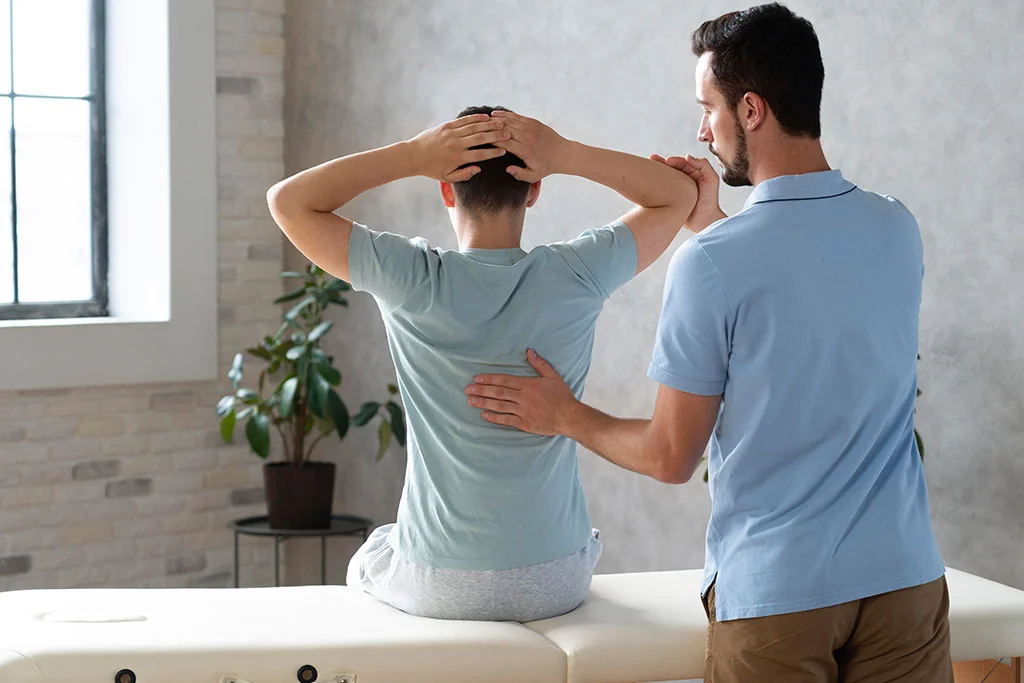
What to expect from a runner’s knee massage session
If you book massage therapy in Edmonton for running-related knee discomfort, expect your session to begin with questions rather than immediate pressure.
Your registered massage therapist may ask:
- When did the pain begin?
- Did you recently increase mileage, pace, hills, or training frequency?
- Does running, walking, stairs, or sitting make it worse?
- Have you experienced swelling, locking, giving way, or a recent injury?
- What are your goals for the next few weeks?
Your therapist may then use a combination of techniques, such as Swedish massage, focused soft-tissue work, compression, stretching, or deeper pressure where appropriate. Treatment may include your quads, glutes, hip flexors, calves, and the tissues around the lateral thigh.
Communication matters. If the pressure feels sharp, too intense, or leaves your symptoms worse, tell your therapist immediately. Deeper is not automatically better, especially when the area is already irritated.
At Massage Quest, you can choose a targeted sports massage in Edmonton or discuss whether deep tissue massage fits your needs. The right approach depends on your symptoms, current training load, and tolerance for pressure.
What you should do alongside massage
If you want to keep moving through the September running season, pair massage with a broader strategy.
Adjust your running load
If pain increases during a run or remains worse later that day or the next morning, reduce the distance, pace, hills, or frequency temporarily. Choose flatter routes, such as a comfortable section of the River Valley, and return to hills gradually.
You do not need to prove anything to your training plan. You need to give your body a manageable level of work.
Build hip and knee strength
With guidance from a qualified health professional, you may work on exercises such as:
- Glute bridges
- Side-lying leg raises or clamshells
- Controlled step-ups
- Shallow squats
- Straight-leg raises
- Calf raises
- Balance and single-leg control
Start with a level that feels manageable and progress gradually. If an exercise causes sharp pain or a clear flare-up, stop and ask for individualized advice.
Warm up before running
A short period of brisk walking, gentle movement, or easy jogging can prepare your body for training. You should also avoid sudden increases in distance, speed, or elevation.
Pay attention to the bigger pattern
If pain keeps returning every time you increase mileage, massage alone is unlikely to solve the problem. A physiotherapist, physician, or other qualified clinician can assess strength, movement, training errors, footwear, and other possible contributors.
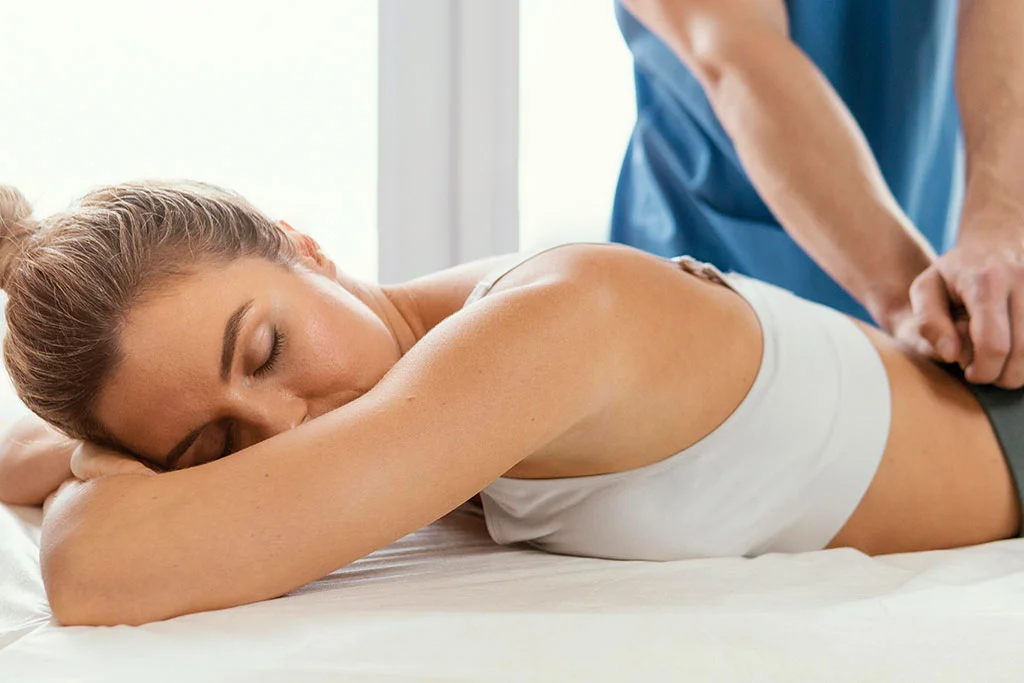
When to seek an assessment
You should arrange professional medical or physiotherapy assessment if your pain is persistent, worsening, or limiting normal walking. Seek prompt care if you have significant swelling, a locked knee, repeated giving way, inability to bear weight, fever, severe pain, or pain following a major impact or twist.
Runner’s knee is common, but not every front-of-knee pain problem has the same cause. An assessment helps you avoid guessing.
Why Edmonton runners choose Massage Quest
If you are looking for massage places in Edmonton that understand active lifestyles, Massage Quest provides a calm place to address muscle tension and recovery needs.
You will receive care from registered massage therapists who take time to understand your goals and personalize the session. You can also benefit from:
- Same-day appointments when availability allows
- Easy online booking
- Direct insurance billing
- A cozy ambiance with soothing music
- Convenient service for runners and active people in Edmonton
- Massage options suited to relaxation, recovery, and targeted treatment
You can book your massage appointment online and speak with your therapist about your knee symptoms, current running schedule, and preferred treatment pressure.
Massage will not replace the strengthening and assessment your knee may need. It can be one practical part of helping your body feel less tense, recover between efforts, and return to movement with more confidence.
Frequently asked questions
Can massage therapy fix runner’s knee?
Massage therapy does not fix every cause of runner’s knee, and it should not replace strengthening or clinical assessment. It may ease tension in the surrounding quads, glutes, hip flexors, calves, and lateral thigh tissues, which can support more comfortable movement as you address the underlying contributors.
Should you get a sports massage or deep tissue massage for runner’s knee?
A sports massage is often a natural option for active people because it can focus on the muscles and movement demands connected to your sport. Deep tissue massage may be appropriate when broader or more persistent muscle tension is present. Your registered massage therapist can help you choose an approach based on your symptoms and pressure tolerance.
Should you stop running if your knee hurts?
You should reduce or modify any activity that clearly increases your pain. You may be able to continue with shorter, flatter, easier sessions if your symptoms remain mild and settle quickly, but persistent or worsening pain deserves assessment. Do not push through sharp pain, swelling, locking, or instability.
How often should you get massage for runner’s knee?
There is no universal schedule. Some runners benefit from a session during a period of increased training, while others book around longer runs or races. Your schedule should depend on your symptoms, training load, recovery, and response to treatment: not on a fixed number of appointments.
Can Massage Quest direct bill my insurance?
Massage Quest offers direct insurance billing for eligible services and plans. Coverage varies by insurer and policy, so confirm your benefits before your appointment. Same-day availability may also be possible, depending on the schedule.