If you're feeling a constant pull behind your thighs, everyday movement can start to feel restricted. Standing after a long workday takes more effort. Your first steps after sitting feel stiff. Running through Edmonton’s River Valley, skating at a local rink, or climbing stairs may bring your attention right back to your hamstrings.
Early October can make that feeling more noticeable. You may be returning to fall running, restarting gym sessions, joining recreational hockey, or spending weekends raking leaves and cleaning up the yard. Long hours at a desk or behind the wheel can add another layer of tension.
The good news is that mild, activity-related hamstring tightness often responds to a thoughtful combination of movement, gradual loading, and personalized care. Massage therapy may help ease muscular tightness and discomfort, but it is not a cure for every cause of pain.
Why your hamstrings may feel constantly tight
Your hamstrings are a group of muscles along the back of your thighs. They help you bend your knees, extend your hips, slow your leg during running, and stabilize your body when you walk, skate, squat, or climb.
If you're increasing your activity quickly, your hamstrings may be handling more work than they are prepared for. A return to running after a quieter summer, for example, can combine longer strides, hills, speed changes, and uneven trails. Recreational hockey adds repeated acceleration, stopping, and skating in a bent-knee position.
You may also notice a pulling sensation when you spend much of the day sitting. Your hips remain bent, your legs stay still, and the muscles around your hips and thighs receive little movement variety. Yard work can create a different challenge through repeated bending, lifting, reaching, and carrying.
Other common contributors include:
- A sudden increase in running, skating, lifting, or gym training
- Limited warm-up before faster or more demanding activity
- Repeated sitting during work, commuting, or travel
- Fatigue after several active days in a row
- Reduced strength or tolerance after a break from exercise
- Tension in nearby glute, hip, calf, or lower-back muscles
What most people miss is that “tightness” describes a sensation, not a complete diagnosis. A muscle can feel tight without simply being too short. Your body may be responding to fatigue, unfamiliar load, irritation, or a need for more gradual strengthening.
Tightness versus a possible hamstring injury
If you're noticing mild tension that develops gradually and does not change how you walk, gentle movement may be reasonable. You should feel light pulling during a comfortable stretch, not sharp, burning, or worsening pain.
A sudden sprint, awkward step, forceful stretch, fall, or hockey movement is different. Sharp pain, an audible pop, bruising, swelling, weakness, limping, or difficulty bearing weight may indicate a strain or another injury.
According to Mayo Clinic’s guidance on hamstring injuries, you should seek medical assessment when pain is severe, walking is difficult, or symptoms do not improve with basic care. You should also arrange prompt assessment for numbness, sciatic-type symptoms, rapidly increasing swelling, or an audible pop followed by pain or weakness.
Massage should not be your first step after a suspected acute tear. Give the area appropriate medical attention before using firm pressure, aggressive stretching, or deep tissue techniques.
How massage therapy may help your hamstrings
When you're looking for massage therapy in Edmonton, a registered massage therapist can help you consider the broader movement pattern instead of treating the sorest spot in isolation.
Your RMT may ask about your running route, hockey schedule, gym routine, workday, recent yard work, previous injuries, and the exact quality of the pulling feeling. That conversation helps determine whether a focused session is appropriate and how much pressure your tissues can comfortably tolerate.
Depending on your needs, treatment may include:
- Broad, warming strokes through the back of the legs
- Moderate pressure around the hamstrings, glutes, and calves
- Gentle work around the hips and lower back
- Comfortable range-of-motion techniques
- Relaxation-based treatment when stress contributes to muscle guarding
- Practical suggestions for movement breaks, warm-ups, and activity pacing
Massage may temporarily reduce the sensation of muscular tension and make movement feel easier. It does not repair a hamstring tear, permanently lengthen a muscle, or replace progressive rehabilitation.
Deeper pressure is not automatically better. Your treatment should feel controlled, communicative, and appropriate for your symptoms.
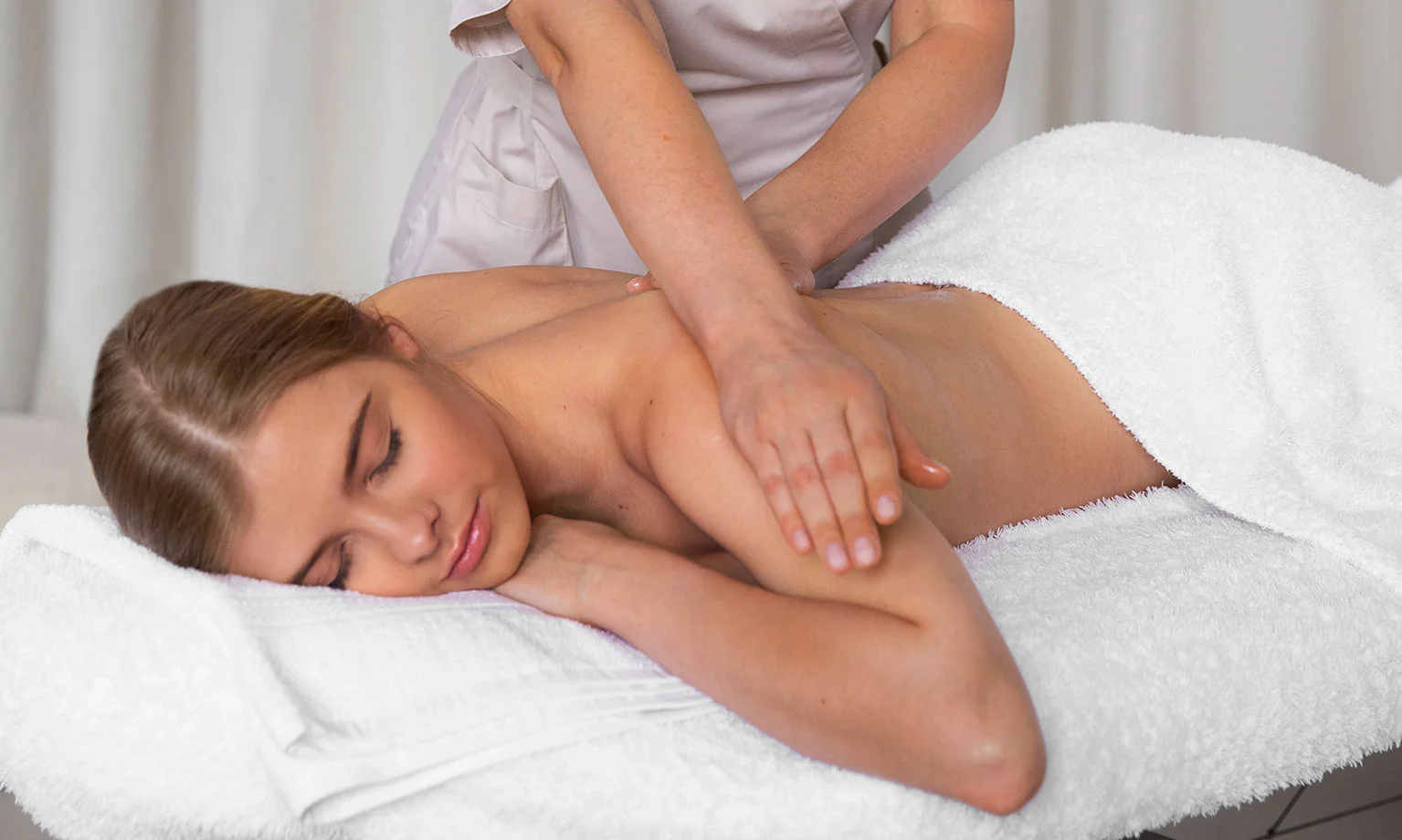
If your tightness feels dense or persistent, you can learn more about deep tissue massage therapy in Edmonton. Your therapist can also explain whether a gentler therapeutic or sports-focused approach better suits your current activity level.
A gentle stretch and better daily movement
If you're dealing with mild stiffness rather than an acute injury, gentle hamstring mobility may help you stay comfortable between appointments. Warm up first with a short walk or several minutes of easy movement.
Try a supported standing stretch:
- Place one heel on a low step or stable surface.
- Keep your knee softly bent rather than locked.
- Hinge forward slightly from your hips while keeping your back comfortable.
- Stop when you feel mild tension behind the thigh.
- Breathe normally and hold for 20 to 30 seconds.
- Repeat on the other side without bouncing or forcing the range.

When you sit for long periods, stand up every 30 to 60 minutes and walk briefly. If you're driving across Edmonton or working near downtown, use breaks to change position rather than waiting until your legs feel rigid.
If your symptoms began after increased training, reduce speed, hills, or distance temporarily. Return to more demanding activity gradually. Comfortable daily movement comes first. Maximum effort comes later.
You may also find it helpful to read about calf tightness and massage therapy in Edmonton because tightness in the lower leg can affect how your hamstrings and hips handle each step.
When massage therapy in Edmonton makes sense
If you're able to walk normally and your symptoms are mild, a session with a massage therapist in Edmonton may be a practical part of your comfort plan. It can be especially useful when tightness is linked to sitting, general muscular fatigue, a return to exercise, or recurring tension around the hips and legs.
At Massage Quest, registered massage therapists create personalized treatment plans based on your symptoms, health history, movement habits, and goals. You can expect a cozy atmosphere with soothing music, compassionate service, and space to communicate about pressure and positioning.
Massage Quest is located at 116 Edgemont Road NW, Edmonton. Same-day appointments are available when scheduling allows, and easy booking helps you fit care into a busy week. Direct billing is available for eligible insurance plans.
You can contact Massage Quest to book an appointment or ask a question, or call 780-800-2937. Hours are Monday to Friday from 9 a.m. to 8 p.m., and Saturday to Sunday from 10 a.m. to 6 p.m.
Frequently asked questions
Can massage help tight hamstrings?
Massage may help ease muscular tightness, discomfort, and the feeling of restricted movement. It is not a cure for a hamstring tear or every source of thigh pain.
Should you get massage after a sudden hamstring injury?
You should seek medical assessment first if you have sharp pain, swelling, bruising, weakness, an audible pop, or difficulty walking. Avoid aggressive stretching and deep pressure until an injury has been assessed.
How often should you get massage for tight hamstrings?
Your schedule depends on whether your symptoms relate to sitting, exercise, recurring fatigue, or an injury. Your RMT can help you choose a reasonable plan while you also work on movement, strength, and gradual activity progression.
Is deep tissue massage always best for hamstring tightness?
No. Deeper pressure is not automatically more effective. The right treatment depends on your comfort, symptoms, activity level, and health history.
When should you see a healthcare professional?
Seek assessment for severe or sudden pain, numbness, sciatic-type symptoms, significant swelling, bruising, weakness, difficulty bearing weight, or symptoms that keep returning or fail to improve.