If you reach the end of a busy workday feeling hunched, tense and unable to take a satisfying breath, it’s natural to wonder what’s going on. Stress and prolonged desk posture can contribute to shallow breathing and tight-feeling muscles, but chest symptoms can have other causes, too.
Quick answer: If your chest tightness feels mild and familiar, and you’ve already ruled out urgent concerns, massage may support relaxation and ease tension in the shoulders, upper back and muscles around the ribs. It doesn’t diagnose or treat the cause of chest symptoms. New, severe, persistent or unexplained chest pain or shortness of breath needs medical attention.
Why breathing can feel restricted
Your diaphragm is a broad muscle beneath your lungs that helps you breathe. When it contracts, it moves down and makes room for your lungs to expand. Under stress, you may start taking quicker, shallower breaths that rely more on your chest and shoulders. A forward-leaning desk posture can also make it harder to move comfortably through your upper body.
As Harvard Health explains in its guide to diaphragmatic breathing, daily stress can lead people to shift toward shallower chest breathing. That’s useful context, not a way to determine the cause of your symptoms. Feeling tight or short of breath should never be automatically written off as stress.
In Edmonton, everyday routines can play a part in how your body feels. You might spend a long workweek at a computer, tuck your shoulders forward while walking through a cold, windy stretch, then head indoors as the heat comes on. Dry indoor air can feel irritating for some people, but it doesn’t explain every breathing concern. Paying attention to your symptoms matters more than guessing at a cause.
Where massage may fit
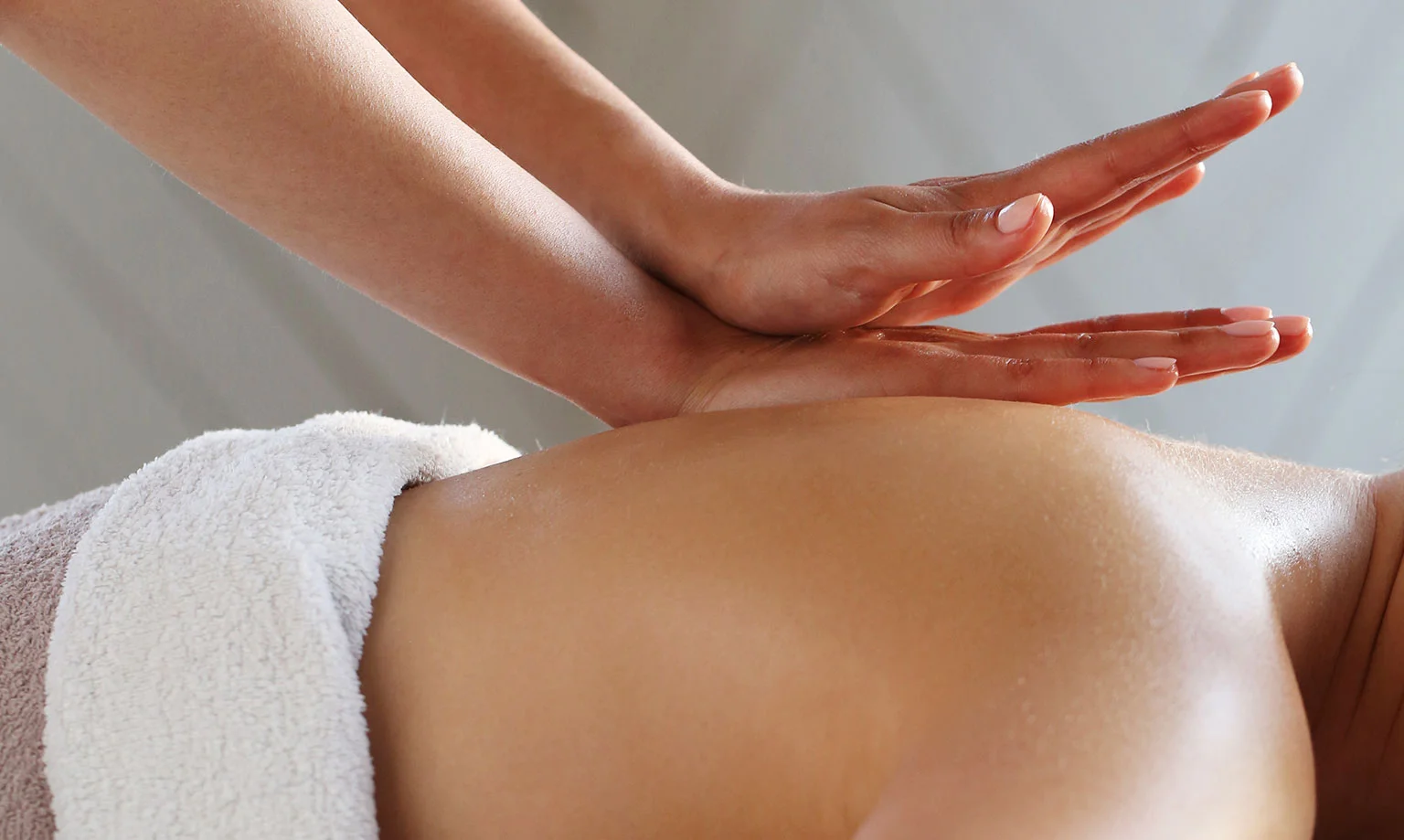
If muscle tension is part of what makes your upper body feel guarded, massage can be supportive care. An RMT may work with the shoulders, upper back and suitable areas around the rib cage, using pressure and techniques adapted to your comfort. Some people find the quiet pace and focused hands-on care help them settle and move more easily afterward.
What massage can’t do is open your airways, assess your heart or lungs, or identify why your chest feels tight. It isn’t a substitute for medical evaluation, and it shouldn’t be used to “work out” unexplained chest discomfort.
At Massage Quest, a session begins with a conversation about your health history, what you’re noticing and what feels comfortable. Your registered massage therapist can tailor the approach, explain what they plan to do and adjust pressure or positioning as needed. You can ask to avoid the front of your chest or any area that feels sensitive. A therapeutic massage in Edmonton may suit a broader pattern of tension; deep tissue massage is a separate option for people seeking firmer pressure, but more pressure isn’t automatically better, especially when you’re already feeling guarded.

A few gentle things to try at home
If your symptoms are mild, familiar and not worsening, small changes may help you notice how posture and breathing feel. Keep these steps comfortable; don’t force a deep breath or push through pain.
- Reset your sitting position. Rest both feet on the floor, let your shoulders soften and bring your screen closer to eye level. Change positions regularly instead of trying to hold one “perfect” posture all day.
- Try an easy breathing practice. Sit with your neck and shoulders relaxed. Place one hand on your upper chest and one below your rib cage. Breathe in gently through your nose, noticing whether the lower hand can rise. Exhale slowly without straining. Harvard Health describes practising for five to 10 minutes; stop if you feel worse, dizzy or more short of breath.
- Take a comfortable movement break. If you feel well enough, a short walk, even an easy loop near the river valley, can offer a change of pace from a desk. Don’t use exercise to test or push through new breathing symptoms.
- Notice indoor comfort. If heated air feels dry, consider simple adjustments to your space. A humidifier needs regular cleaning and should be used according to its instructions.
Here’s the thing: you don’t need to breathe perfectly or hold yourself rigidly upright. Aim for comfort, regular movement and a softer, less braced posture, and seek professional advice when symptoms don’t settle or you’re unsure what they mean.
When to check with a health professional
Call 911 for severe, sudden or unexplained chest pain, especially if it comes with difficulty breathing, fainting, nausea, confusion or other alarming symptoms. The Mayo Clinic’s chest-pain first-aid guidance explains when chest pain calls for emergency care.
Contact a healthcare professional promptly about new, persistent or worsening chest tightness or shortness of breath, or symptoms that happen with exertion or while lying down. If you’re uncertain, get medical guidance before booking massage. Safety comes first.

Finding massage therapy in Edmonton
When you search “massage therapy Edmonton,” you’ll find different techniques and settings. For chest tightness or shallow breathing, look for a registered massage therapist who listens to your concerns, checks comfort throughout the session and stays within their scope of practice. You can explore Massage Quest’s massage therapy services in Edmonton and ask whether massage is appropriate for your situation.
Massage Quest’s cozy studio is at 116 Edgemont Road NW, Edmonton. Direct billing is available for eligible insurance plans, and same-day appointments may be available depending on the schedule. If you’re in Edgemont or elsewhere in northwest Edmonton, easy booking makes it simpler to ask a question and see what openings are available.
Frequently asked questions
Can massage help with shallow breathing caused by stress?
Massage may help you relax and ease associated muscle tension in the upper back and shoulders. It can’t confirm that stress is the cause of breathing changes or treat a respiratory or heart condition. If symptoms are new or concerning, speak with a healthcare professional.
Should an RMT massage my chest or ribs?
Not necessarily. Your RMT will discuss your comfort and goals before treatment and can focus on other areas, such as the shoulders and upper back. You can decline work on any area, and massage should wait until unexplained chest symptoms have been medically assessed.
How can I book at Massage Quest?
You can book online or contact the studio to ask about availability, including same-day openings. Direct billing is offered for eligible insurance plans. When you’re ready, book a session at Massage Quest, 116 Edgemont Road NW, Edmonton, and share your concerns with your RMT before treatment begins.