
If you spend your day sitting at a desk near downtown, driving along Anthony Henday, or moving from one meeting to the next, your hips may feel tight before you even notice the problem. If you run the River Valley trails, climb the stairs at Wolf Willow, or train around Terwillegar, you may feel that tightness as pulling through your hip, groin, or lower back.
Tight hip flexors are muscles around the front of your hips that have become tense, overworked, or accustomed to staying in a shortened position. Massage therapy can help reduce muscle tension, ease discomfort, and improve short-term hip mobility: but lasting improvement usually comes from combining massage with stretching, strengthening, and regular movement breaks.
That is the practical answer for many people searching for massage therapy Edmonton services for tight hips. Massage is helpful. It is not the entire solution.
Why your hips feel tight
Your hip flexors help lift your legs and bring your torso toward your thighs. This group includes muscles such as the iliopsoas and rectus femoris. When you sit for hours, these muscles remain in a flexed position. Over time, standing upright or extending your hip may feel restricted.
You may notice:
- Tightness at the front of your hip when you stand
- A pulling sensation in your groin or upper thigh
- Stiffness after long drives or meetings
- Low back discomfort that appears alongside hip tension
- Shorter strides or discomfort when running
- Difficulty fully extending your hip after sitting
When you spend a workday moving between a screen, a chair, and a vehicle, the issue is often less about one “bad” posture and more about staying in one position for too long. Your body needs variety.
Runners can face a different version of the same problem. Repeated hip flexion, hills, stairs, sudden mileage increases, and limited recovery can place more demand on the hip flexors. That can leave you feeling restricted on the trail, even when you have not experienced a clear injury.
How massage therapy helps tight hips
When you visit a massage therapist in Edmonton, your session can be adapted to how your hips feel, how you move, and what your daily routine requires. Your RMT may work around the hip flexors, quadriceps, glutes, low back, and surrounding connective tissues rather than focusing on one sore spot in isolation.
Massage may help you by:
- Reducing protective muscle tension and guarding
- Improving your comfort during hip extension
- Supporting short-term range of motion
- Easing the sensation of knots or pulling
- Helping you relax after long periods of work or training
- Making it easier to stretch and move comfortably afterward
The pressure should be controlled and appropriate for your situation. Deeper is not automatically better. A skilled registered massage therapist adjusts the technique according to your comfort, sensitivity, training schedule, and health history.
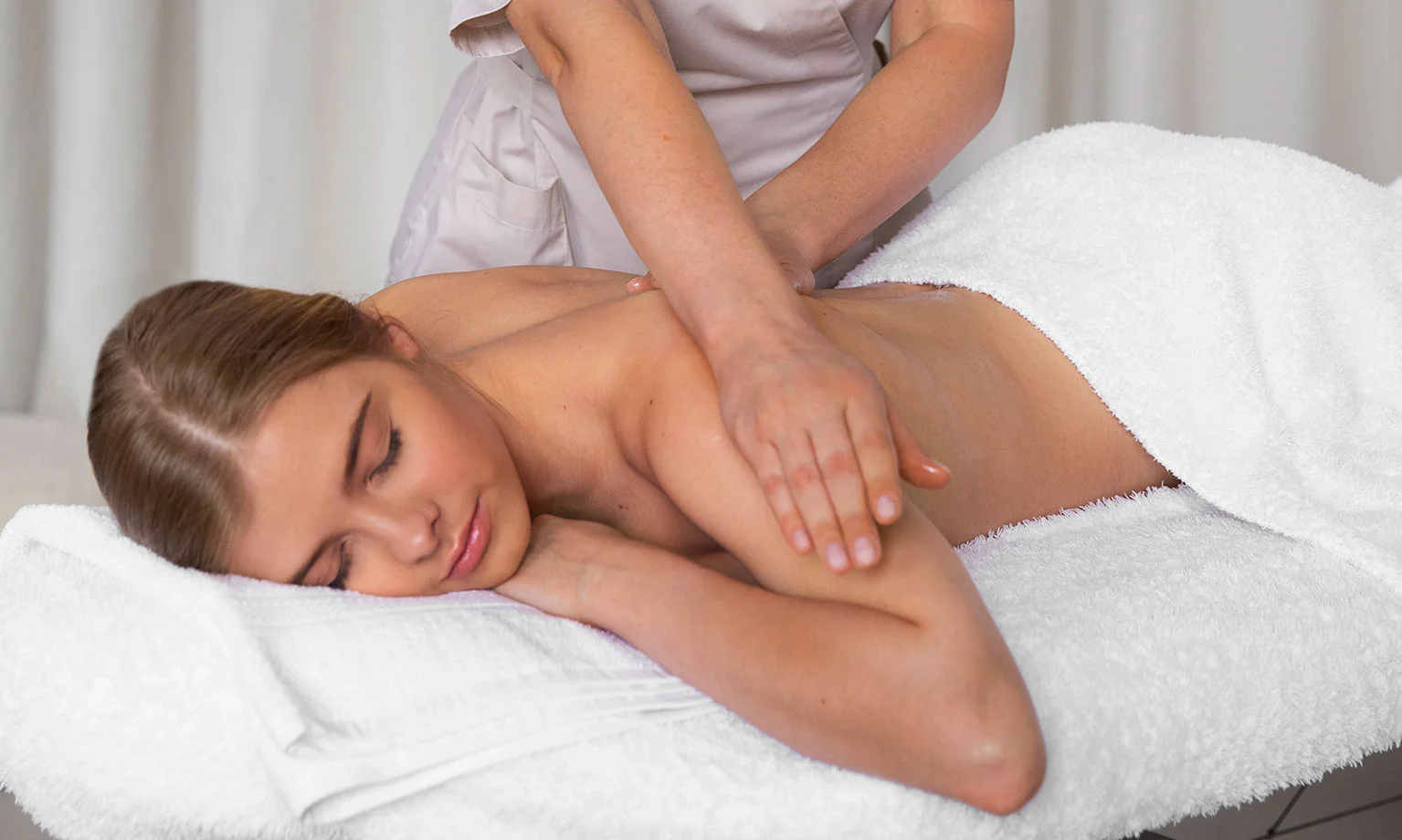
You may benefit from deep tissue massage therapy in Edmonton when your hip and surrounding muscles feel persistently dense or restricted. You may prefer a more integrated approach through therapeutic massage therapy when hip tightness appears alongside low back, glute, or postural tension.
Here’s the thing: massage can change how your tissues feel and move in the short term. It does not permanently lengthen a muscle or correct every underlying cause by itself. That is why your home habits matter.
Pair massage with simple movement habits
If your hips spend eight hours in a chair, one massage appointment cannot counter every hour of sitting. Fortunately, small changes can help you maintain the comfort you gain from treatment.
1. Break up sitting
When you work at a desk, stand up every 30 to 60 minutes. Walk to refill your water, take a short lap around the office, or use a few minutes between calls for gentle movement.
If your commute along Anthony Henday is long, get out of the vehicle and walk briefly before settling into another seated task. Your hips respond well to regular changes in position.
2. Try a gentle kneeling hip-flexor stretch

When you stretch, use a comfortable half-kneeling position with one foot forward and one knee supported. Keep your ribs stacked over your pelvis, gently draw your tailbone down, and shift forward only until you feel a mild stretch at the front of the back-leg hip.
Hold the position for 20 to 30 seconds and breathe normally. Avoid forcing the stretch, bouncing, or pushing into sharp pain. If you have an injury or are unsure whether the movement suits you, ask a healthcare professional or your RMT for guidance.
3. Strengthen your glutes
Your glutes help extend and stabilize your hips. If they are not contributing effectively, your hip flexors may do more work than necessary.
You can begin with:
- Glute bridges
- Side-lying leg lifts
- Supported split-stance holds
- Controlled step-ups
Start with a manageable number of repetitions. Quality matters more than intensity, especially if your hip already feels irritated.
4. Adjust your running load
If you run around the River Valley or Terwillegar and your hip tightness increases after hills, stairs, or faster intervals, reduce the demanding parts temporarily. Keep your activity comfortable while you monitor your symptoms.
A sports massage appointment can be useful for active people who want focused work around the muscles involved in running. You do not need to be a professional athlete to benefit from a sports-focused session.
What happens during a hip-focused massage?
When you book at Massage Quest, your registered massage therapist begins by asking about your symptoms, work routine, exercise, previous injuries, and goals. You can explain whether your tightness appears after sitting, running, driving, or standing.
Your therapist may use a combination of techniques, including:
- Broad relaxation strokes to warm the area
- Targeted work through the quadriceps and glutes
- Gentle stretching or movement-based techniques
- Moderate or firm pressure where appropriate
- Work around the low back and pelvis when those areas contribute to your discomfort
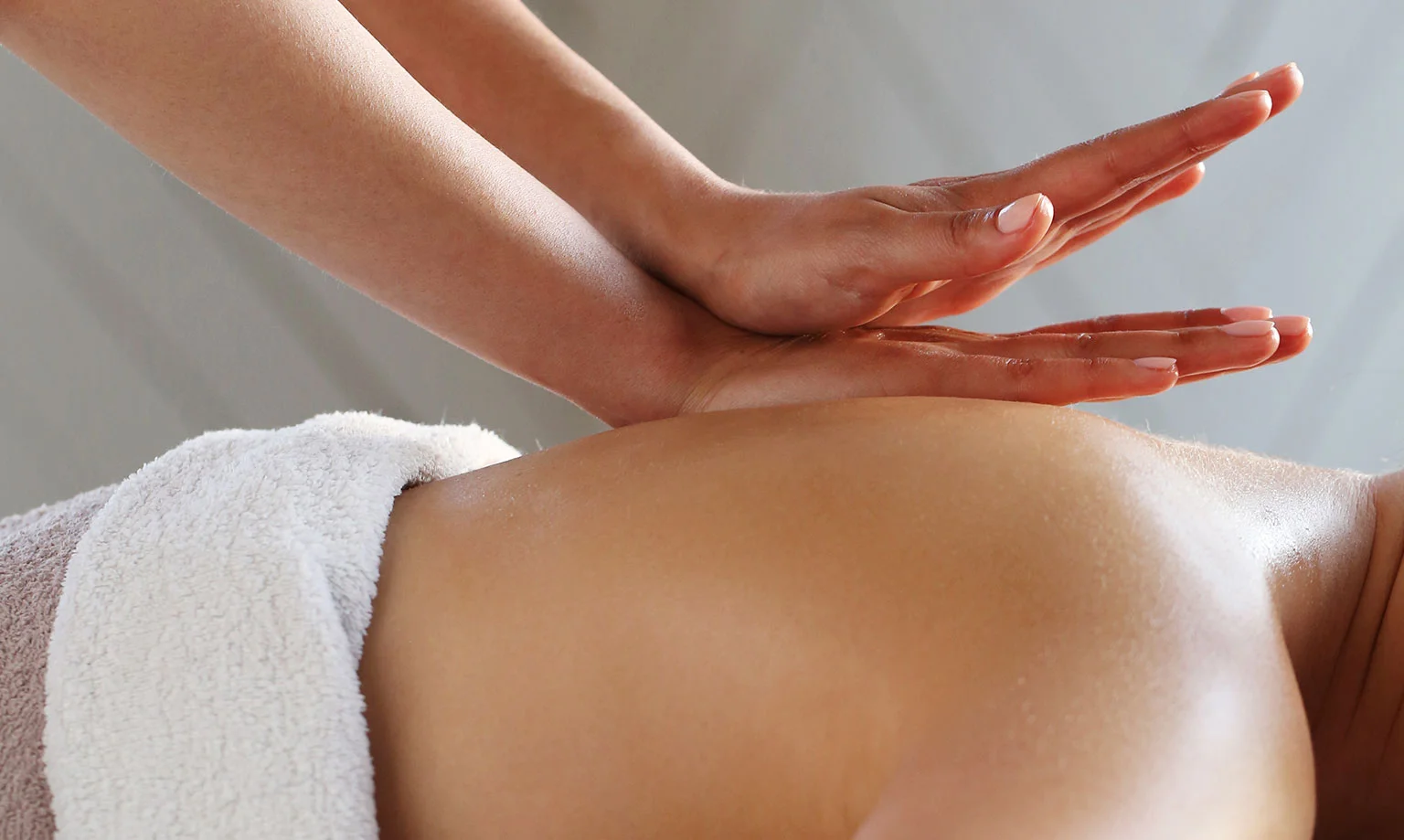
Your feedback guides the session. You should feel comfortable communicating about pressure, positioning, and any symptoms that appear. Afterward, your therapist may suggest a simple stretch, movement break, or recovery habit to help you continue making progress.
When massage is not the first step
Not every hip problem is ordinary tightness. A sudden sharp pain after a fall, collision, sprint, or awkward movement may indicate a strain or another injury. Cleveland Clinic explains that hip flexor strains can cause pain, tightness, weakness, bruising, swelling, or difficulty walking; you can review its hip flexor strain guidance here.
Seek medical care if you have:
- Sharp pain following trauma
- Severe or rapidly worsening pain
- An inability to bear weight or move your leg normally
- Numbness or tingling
- Significant swelling or bruising
- Pain that lasts for weeks or does not improve with rest and gentle care
If your pain persists, a healthcare provider can assess whether the source involves the hip joint, nerves, spine, tendons, or another condition. Massage can complement appropriate care, but it should not replace diagnosis.
Find a calmer way forward in Edmonton
If tight hips are making work, driving, running, or daily movement less comfortable, a personalized treatment plan gives you a sensible place to start. Massage Quest offers registered massage therapists, easy booking, same-day appointments when available, and direct insurance billing. You can also expect a cozy clinic atmosphere with soothing music and a treatment tailored to your needs.
Whether you are looking for massage places Edmonton residents can access conveniently, recovery support after a River Valley run, or relief from hours at a downtown desk, the goal is the same: help you move with greater comfort and confidence.
Book a session with a massage therapist in Edmonton, then support the results with regular movement, gentle stretching, and appropriate strengthening. Your hips do not need more force. They need consistent, thoughtful care.
Frequently asked questions
Does massage help tight hip flexors?
Yes. Massage can reduce muscle tension, ease discomfort, and improve short-term hip mobility. For longer-lasting results, combine it with movement breaks, stretching, strengthening, and changes to training or sitting habits.
How often should you get massage for tight hips?
Your ideal schedule depends on whether your symptoms come from sitting, running, an increase in training, or an injury. Some people benefit from a focused series of appointments followed by occasional maintenance sessions. Your RMT can help you choose a reasonable plan.
Should you stretch a painful hip flexor?
You should avoid forcing a painful stretch. Gentle mobility may be appropriate for mild stiffness, but sharp pain, recent trauma, weakness, or difficulty walking calls for medical assessment first.
One Response