If you're running the River Valley trails, cycling through Edmonton’s neighbourhoods, skating in a local hockey league, training at the gym, or fitting activity into a busy week, you already know that recovery matters.
You may also know the familiar pattern: tight calves after a long run, sore quads after leg day, stiff hips after cycling, or shoulders that never quite loosen after hockey. Rest helps, but it does not always address the specific muscle tension affecting how you move.
That’s where sports massage comes in.
Sports massage in Edmonton is designed for people who use their bodies regularly. You do not need to be a professional athlete. If you train, compete, commute by bike, hike, lift, run, or play recreational sports, a targeted treatment can support recovery and help you stay connected to the activities you enjoy.
What is sports massage?
Sports massage is a focused form of massage therapy that adapts to your sport, training schedule, movement patterns, and areas of tension.
Instead of treating every session as a standard full-body massage, your therapist may concentrate on the muscles most involved in your activity. For a runner, that could mean the calves, hamstrings, glutes, hips, and feet. For a cyclist, the focus may include the quadriceps, hip flexors, lower back, and shoulders.
Your therapist may use a combination of:
- Firm but controlled pressure
- Broad warming strokes
- Kneading and compression
- Muscle stripping and focused work
- Assisted stretching
- Range-of-motion techniques
- Gentle movement assessment
The pressure should be purposeful, not punishing. You should be able to communicate throughout the appointment so your therapist can adjust the treatment to your comfort and goals.
According to Healthdirect’s guide to sports massage, sports massage may help increase flexibility, ease post-exercise soreness, support recovery, and reduce the build-up of stress in soft tissues. It should complement your training rather than replace warm-ups, strength work, sleep, hydration, or medical care.
How can sports massage support athletic recovery?
1. It may reduce post-exercise muscle soreness
If you're feeling stiff one or two days after a demanding workout, you may be experiencing delayed-onset muscle soreness, commonly called DOMS.
DOMS often appears after unfamiliar exercise, increased training volume, hills, sprinting, heavy strength work, or movements that place extra load on your muscles. The soreness can make stairs, squats, or even getting out of your car feel more difficult.
Sports massage may help reduce the intensity of that soreness by addressing areas of tension and encouraging comfortable movement. The benefit is usually modest, but it can make everyday movement feel easier while your body settles after training.
You should not expect massage to erase soreness immediately or repair every training issue. You can expect a practical recovery tool that may help you feel less restricted.
2. It can support short-term range of motion
Tight muscles can change how you move. Restricted hip mobility may affect your stride. Tight calves may alter how your foot meets the ground. Stiff shoulders may make cycling or stick handling feel less comfortable.
A targeted sports massage can help reduce the sensation of tightness and temporarily improve range of motion in some areas. That can make it easier for you to complete mobility exercises, move through a warm-up, or return to normal daily activities.
Range of motion is not the same as strength or stability. If you want lasting improvement, you still need progressive training and mobility work that match your needs. Massage is one useful part of that plan.
3. It may help you manage recurring muscle tension
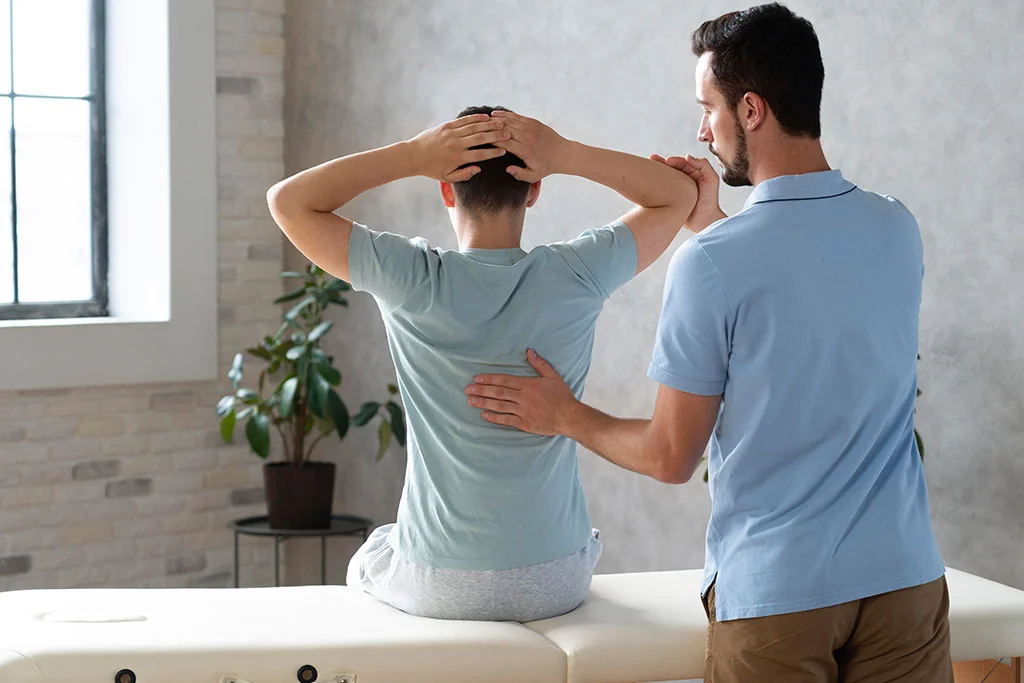
If you're repeatedly training through tightness in the same area, your body may be signalling that something in your routine needs attention.
You might be increasing your mileage too quickly, skipping strength work, sitting for long periods between workouts, or relying on one movement pattern throughout the week. Massage cannot correct those habits on its own, but it can help you identify where tension is accumulating.
During your appointment, your RMT can ask about your sport, recent training, work posture, and symptoms. That conversation helps you connect the discomfort to your broader routine rather than treating the sore spot in isolation.
For example, persistent tight hips may affect runners, cyclists, desk workers, and gym-goers in different ways. If you're dealing with this pattern, you can also read Massage Quest’s guide to tight hips in Edmonton.
4. It may support injury prevention indirectly
Injury prevention deserves a realistic explanation.
Sports massage does not guarantee that you will avoid strains, sprains, tendinopathy, or overuse injuries. Strong evidence for massage directly preventing injuries remains limited. Your training load, technique, footwear, recovery, sleep, nutrition, and previous injury history all matter.
Massage may still support prevention indirectly by helping you notice restricted movement, persistent tension, or early discomfort before it becomes more disruptive. Better awareness can encourage you to adjust your training, add rest, or seek appropriate care sooner.
If you're experiencing sharp pain, swelling, bruising, numbness, sudden weakness, or pain that is worsening, talk with a doctor or physiotherapist before booking massage. A sports massage therapist should not diagnose an injury or work aggressively over an acute problem without appropriate guidance.
When should you book a sports massage?
The right timing depends on your activity and how your body responds.
Before an event or workout
A shorter, lighter session may help you feel more mobile before activity. Deep or aggressive work immediately before a race, game, or heavy training session may leave you feeling tender or sluggish, so communicate your schedule clearly.
After training
A post-exercise session can focus on the muscles that carried the greatest load. This may be useful after a long run, tournament, cycling event, or demanding strength session.
During a training block
Regular sessions can help you manage accumulated tension while your activity level is high. You do not need to wait until you are significantly sore. A planned appointment may fit better into your routine than trying to recover only after discomfort becomes difficult to ignore.
If you're preparing for a race or returning to activity after time away, your therapist can help you choose an appropriate treatment intensity and timing.
Who can benefit from sports massage in Edmonton?
Sports massage may be a good fit if you:
- Run the River Valley, Terwillegar trails, or neighbourhood paths
- Cycle through Edmonton or train indoors during colder months
- Play hockey, soccer, basketball, tennis, or racquet sports
- Lift weights or attend group fitness classes
- Hike, ski, snowboard, or participate in weekend activities
- Spend most of the week at a desk and exercise on evenings or weekends
- Feel recurring tightness after training
- Want support while managing a structured training plan
You do not have to identify as an athlete. You only need to use your body in ways that create physical demand.
Sports massage versus deep tissue massage
If you're searching for a massage therapist in Edmonton, you may wonder whether sports massage or deep tissue massage is the better choice.
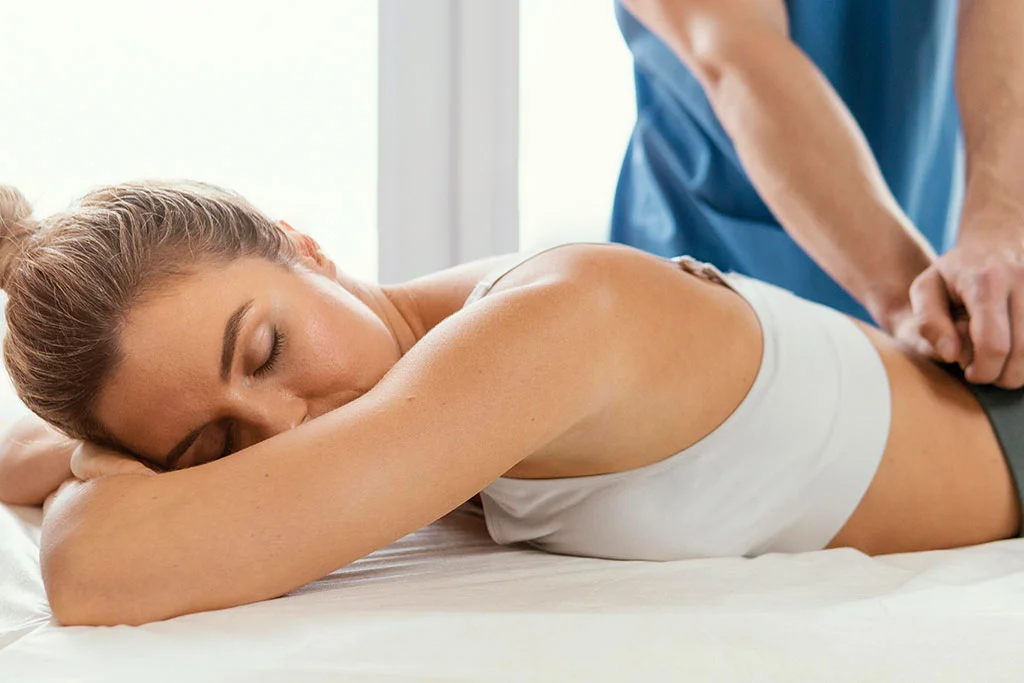
Sports massage is usually more activity-specific. Your therapist considers the muscles involved in your sport, the timing of your training, and the movement limitations affecting you.
Deep tissue massage may be better suited to broader or persistent muscular tension and can involve slower, firmer work over larger areas. The two approaches can overlap, and your RMT may use techniques associated with both during a personalized treatment.
You can learn more about deep tissue massage therapy in Edmonton before deciding which appointment best fits your needs.
What should you tell your massage therapist?
You will get more from your appointment when you provide specific information. Before your session, be ready to explain:
- What activity you do and how often
- Where you feel soreness, tightness, or restricted movement
- Whether the issue started suddenly or developed gradually
- Your recent training volume and intensity
- Any previous injuries or surgeries
- The date of your next game, race, or event
- Whether you prefer lighter or firmer pressure
Your RMT can then tailor the session rather than applying the same routine every time.
At Massage Quest, registered massage therapists provide personalized care in a calm Edmonton setting. Direct insurance billing is available for eligible plans, and same-day appointments make it easier to fit recovery into a full schedule. You can explore the sports massage service or book when you are ready.

Frequently asked questions
Does sports massage make you recover faster?
Sports massage may help reduce soreness and stiffness, which can make you feel ready to move sooner. It does not replace sleep, nutrition, gradual training progression, or rehabilitation. The most reliable benefit is improved comfort and short-term mobility rather than a guaranteed acceleration of tissue healing.
Is sports massage painful?
It may feel intense in focused areas, but it should remain within a manageable range. If the pressure feels sharp, excessive, or uncomfortable, tell your therapist immediately. A skilled RMT can adjust pressure, technique, position, or treatment focus.
Can sports massage help runner’s knee or shin splints?
Massage may help address surrounding muscle tension and support comfortable movement, but it should not be used to diagnose or treat the underlying cause on its own. If you're dealing with knee or shin pain, start with an appropriate assessment. You can also read about runner’s knee in Edmonton and shin splints in Edmonton.
How often should you get a sports massage?
There is no universal schedule. You may benefit from an occasional session after demanding events, while a heavier training block may call for planned appointments. Your RMT can help you choose a frequency based on your activity, recovery, symptoms, and budget.
Keep moving with informed, personalized support
If you're active in Edmonton, recovery is not an optional extra. It is part of how you continue running, cycling, skating, lifting, and enjoying everyday movement.
Sports massage can help you manage post-exercise soreness, support short-term range of motion, and become more aware of tension before it interferes with your routine. It works best as part of a broader plan that includes sensible training, rest, mobility, and professional care when needed.
When you are looking for massage therapy Edmonton residents can fit into an active lifestyle, Massage Quest offers experienced RMT care, direct billing, and personalized sports massage appointments designed around how you move.